Atractylodes Rhizome: A Traditional Northern Chinese Incense Herb
Atractylodes Rhizome is a dry, earthy base note in traditional Chinese incense. Learn its aroma, recorded uses, sachet applications, and safety notes.
What Is Atractylodes Rhizome?
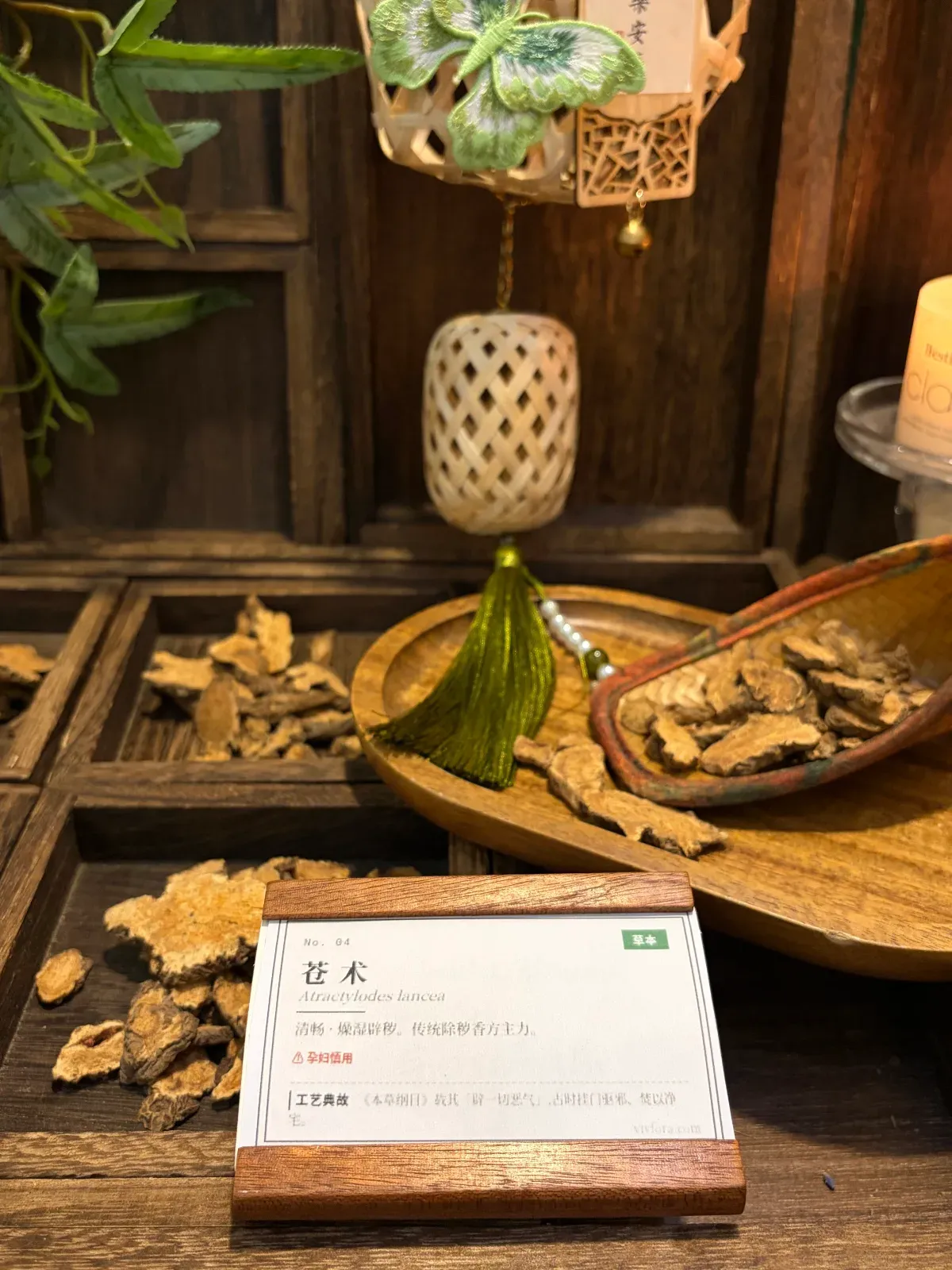
Atractylodes Rhizome is the dried rhizome of a perennial herb native to northern and central China. It is known in botanical writing as Atractylodes lancea, and its pinyin name, cang zhu, still appears in English-language herbal references. The rhizome is dug, cleaned, sliced, and dried at low temperatures. The result is a dense, pale slice with a firm, woody texture and a scent that sits somewhere between dry earth, old wood, and a faint, camphor-like coolness.
Unlike bright floral incense materials, atractylodes is a base note. It does not announce itself. Instead, it holds a blend together, adding weight and a dry, root-like depth that lingers quietly in a room or a closed drawer. That quality is exactly why it has stayed in Chinese incense practice for so long.
The Aroma: Dry, Earthy, and Quietly Bitter
When you open a packet of good atractylodes slices, the first impression is dry rather than sweet. There is a slightly bitter herbal edge, then a warm, almost smoky undertone. Heated gently in a censer, the bitterness softens and the earthy character opens up.
In modern aromatic writing, this camphor-like dryness is used sparingly. It is a supporting note, not a headline. A little goes a long way:
- Top impression: dry, slightly bitter, root-like
- Heart: warm, woody, faintly smoky
- Base: earthy and steady, with a cool camphor edge
That profile makes it a natural partner for softer, sweeter herbs. It gives a blend structure, the way a low string note gives a piece of music its floor.
Traditionally Recorded Uses and Cultural Meaning
Atractylodes has a long recorded history in Chinese herbal literature. It appears in the Compendium of Materia Medica (1596), in the Herbs I section, and earlier herbal classics recorded it as zhu. In those texts it is described as a plant burned and carried through humid seasons for its dry, smoky aroma.
Across northern and central China, atractylodes was traditionally burned to purify rooms and to mark seasonal customs. This reflects a folk understanding of cleanliness, well-being, and the quiet power of native plants. It is practical and quietly ceremonial at the same time.
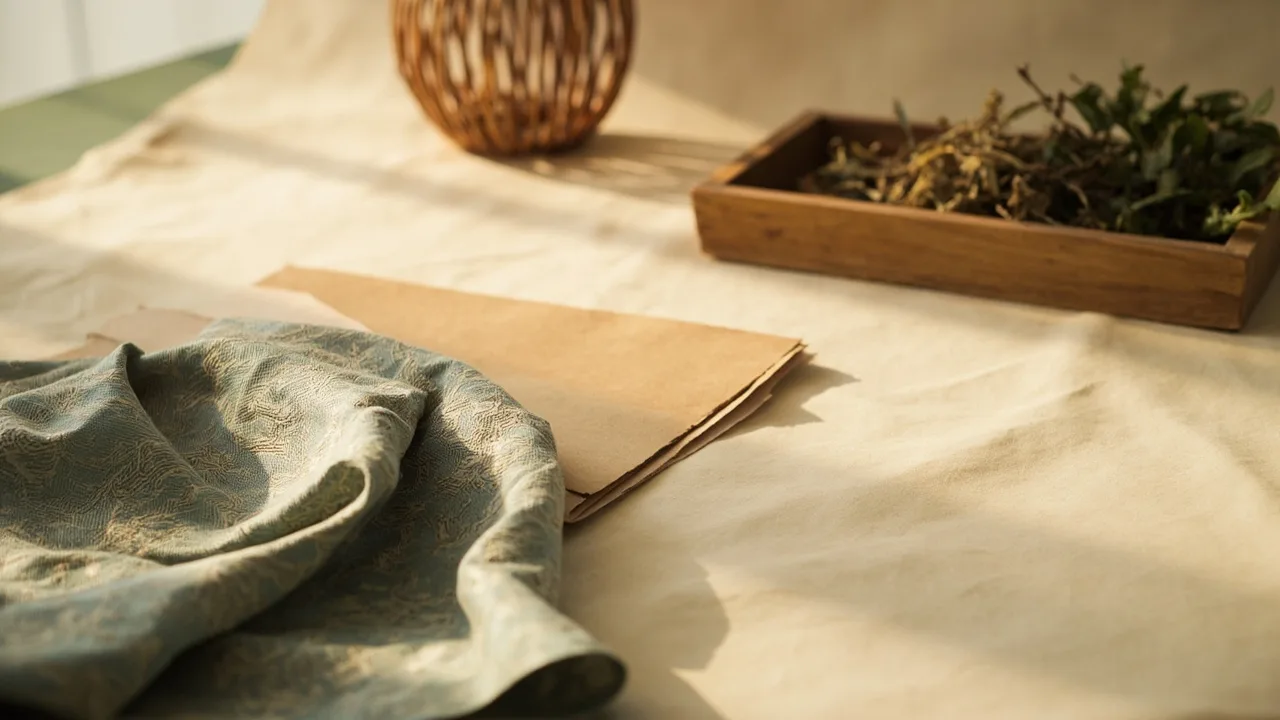
In modern aromatic practice, its camphor-like dryness is used sparingly as a base note in storage and wardrobe pouches. It is traditionally used for freshening enclosed spaces and for a sense of calm during seasonal transitions. This is a centuries-old practice of working with native plants, not a modern invention.