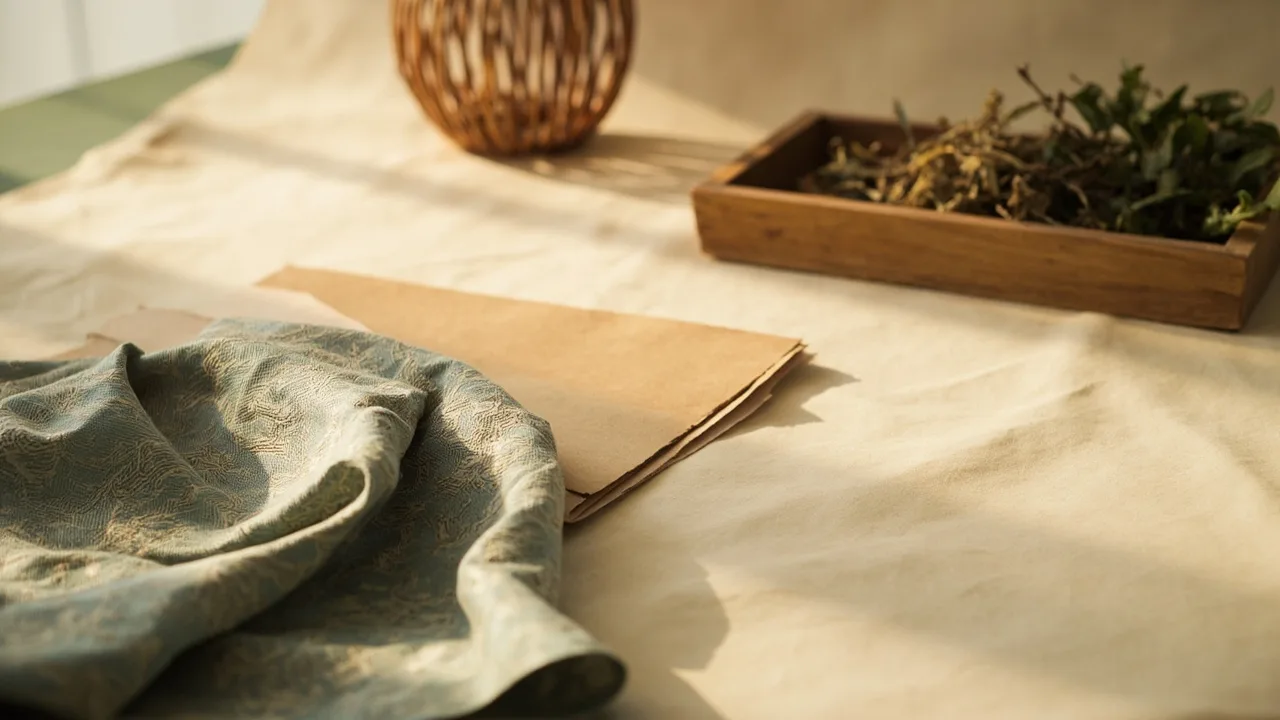
Borneol Natural Aromatic Crystals: A Guide to This Traditional Chinese Fragrance Fixative
Borneol is a natural aromatic crystal with a cool, camphor-like lift. Learn its aroma, its recorded place in Chinese incense and sachet culture, how it works as a fragrance fixative, and how to store and use it safely.
What Are Borneol Natural Aromatic Crystals?
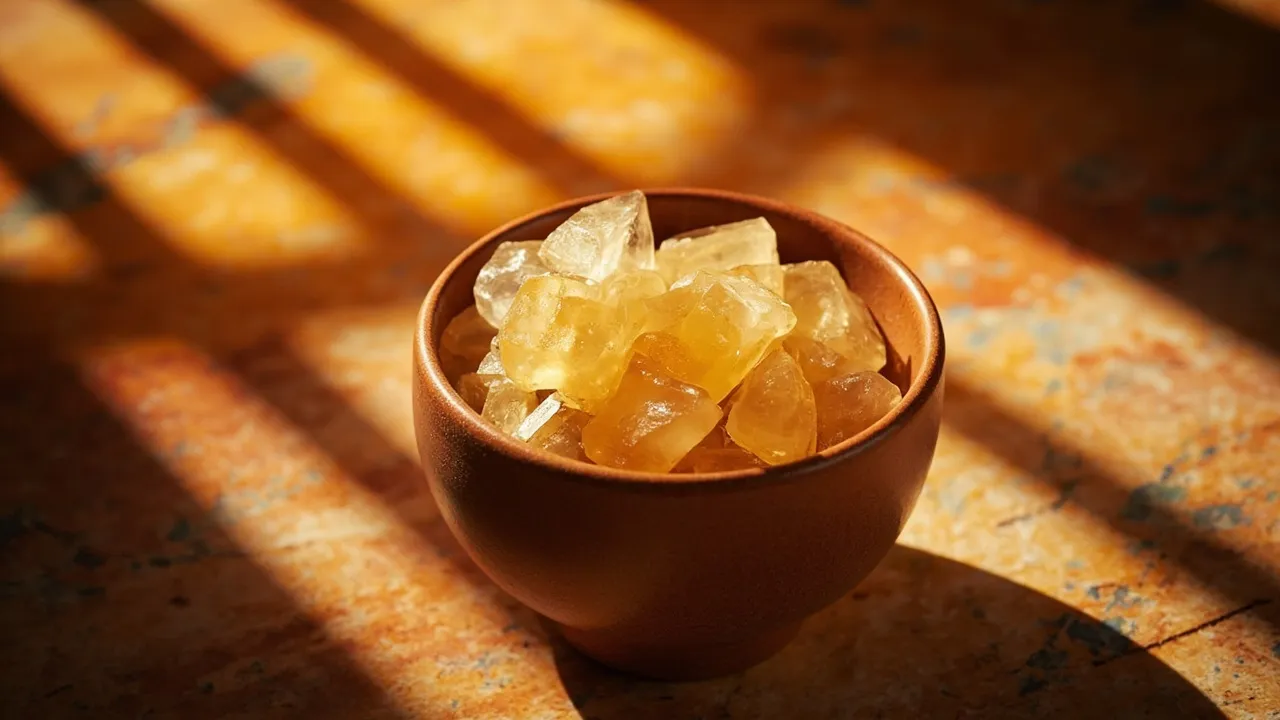
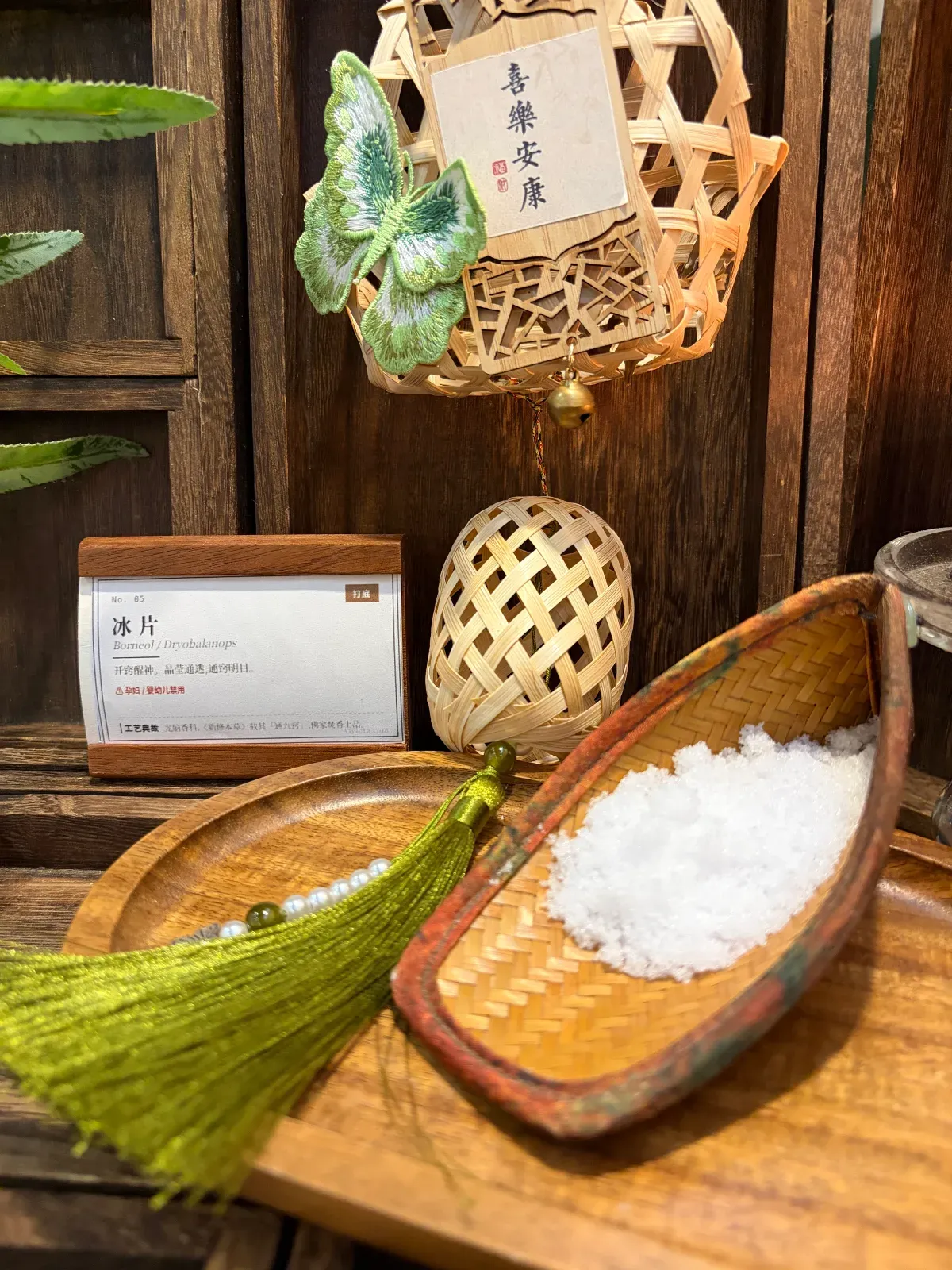
Borneol is a natural aromatic crystal that forms in the wood of certain trees. It appears as translucent white flakes or irregular grains, and it carries a cool, penetrating, camphor-like freshness. If you have ever opened a well-made Eastern Aromatherapy Pouch and caught a bright, almost chilly top note that seemed to lift everything else, borneol may well have been the reason.
It is not a standalone perfume. In perfumery and incense work, borneol acts as a fixative and blending accent — a small amount that sharpens a formula and helps lighter molecules linger on skin and fabric. Our Borneol Natural Aromatic Crystals (SKU HERB-borneol) are sold as a raw aromatic material for makers and hobbyists, with a retail reference price of $56.00.
The Aroma: Cool, Penetrating, Camphor-Like Freshness
Borneol's scent is best described as cool and camphoraceous rather than sweet. It opens with a sharp, almost medicinal brightness, then softens into a clean, resinous dryness. Because it is so potent, it is rarely worn alone. Instead it works the way salt works in cooking: a pinch changes the whole composition.
How It Interacts With Other Notes
- Citrus: lifts lemon, bergamot, and yuzu, giving them a longer, cooler tail.
- Florals: adds a crisp edge to jasmine, osmanthus, and rose without flattening them.
- Woods: bridges sandalwood, cedar, and agarwood, helping them feel more transparent.
- Resins: keeps heavier balsamic notes from turning syrupy.
A useful rule of thumb is to start at one to three percent of a blend by weight and adjust upward only if the formula still feels flat.
Historically Recorded Uses and Cultural Meaning
Borneol is recorded in the Chinese materia medica, including the (1596, Woods I), where it appears as a crystalline aromatic used in small amounts in incense and sachet formulas when a bright, cooling note was wanted. That historical record is a cultural reference point rather than a set of instructions, and today it is best understood as part of a longer incense and sachet tradition.