Costus Root: A Warm, Woody Botanical for Sachets and Incense
Costus root (Aucklandia lappa) is a warm, spicy, earthy botanical from Yunnan and Sichuan. Learn its aroma, traditional uses in sachets, blending tips, and safety notes.
What Is Costus Root?
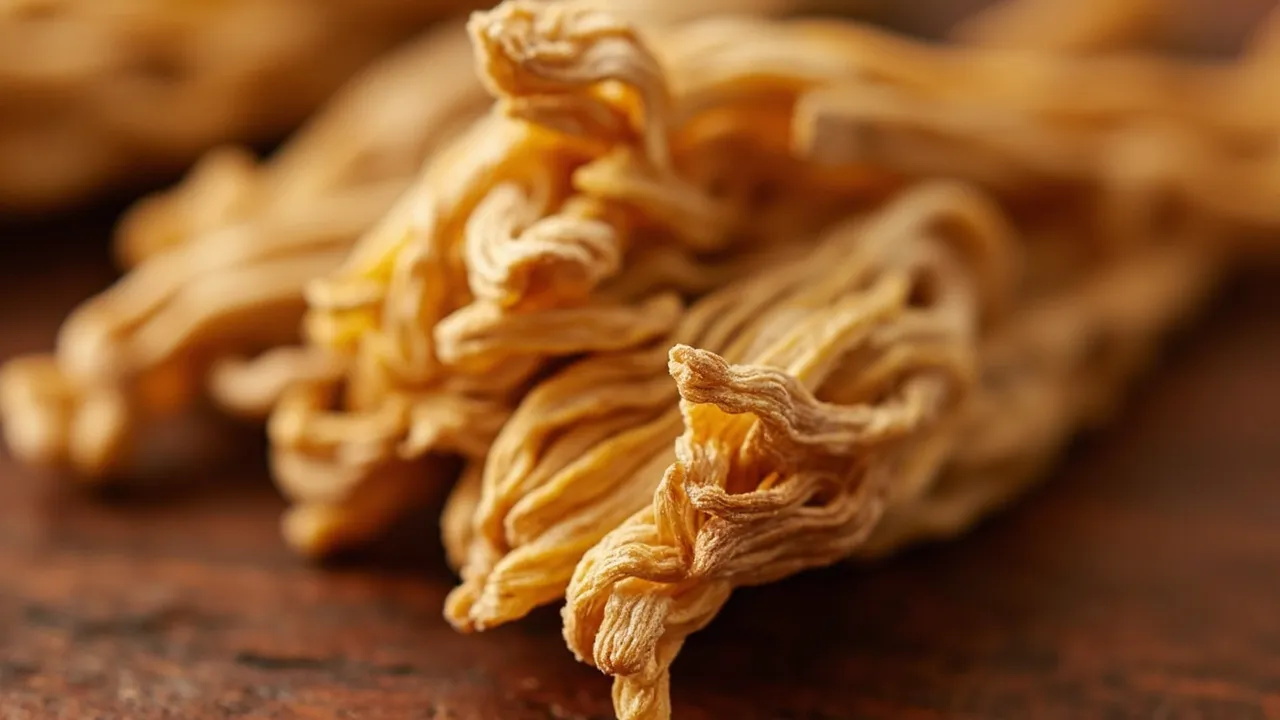
Costus root is the dried rhizome of the costus plant, known botanically as Aucklandia lappa. It grows in the highlands of Yunnan and Sichuan in southwestern China, where the cool, misty climate and mineral-rich soil give the root its dense, resinous character. After harvest, the roots are cleaned, sliced, and shade-dried using methods passed down in herb-growing regions. No synthetic fragrance is added at any stage.
In Chinese incense culture, costus is recorded among the earliest listed aromatics. Its heavy, woody scent made it a standard base for classical incense formulas, and it appears in the Compendium of Materia Medica (1596) as a valued aromatic material. It is a plant material, not a finished incense product.
The Aroma: Warm, Spicy, and Earthy
Costus root opens with a warm, spicy top note that quickly settles into a deep, earthy base. There is a slight sweetness underneath, reminiscent of dried bark and old wood, but without the sharpness of some resinous materials. The overall impression is grounding and quiet rather than bright or floral.
Because the scent is heavy, costus root is usually blended rather than used alone. It layers well with sandalwood or agarwood, where it adds depth without overpowering. In pouches, it acts as a grounding base note beneath citrus or mint, holding lighter aromatics in place so they release more slowly over time.
Traditional Uses and Historical Background
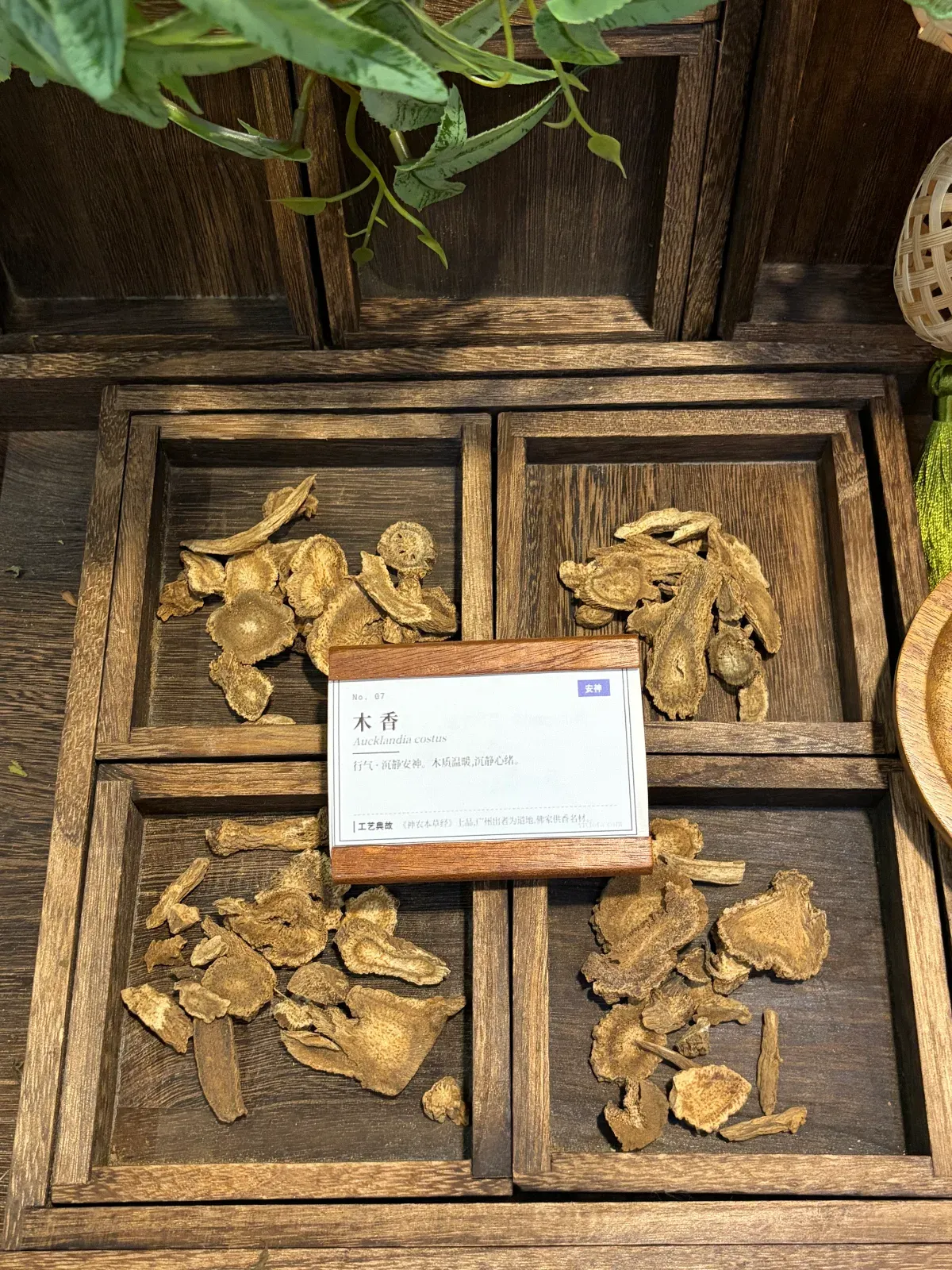
Costus root has a long history in Chinese aromatic practice. It was traditionally used in incense blends and sachets, where its dense, woody profile was valued for creating a calm, focused atmosphere. Historical records describe it as a base material, one that supports other aromatics rather than standing alone.
In traditional Chinese herbal pairing, costus root was often combined with lighter botanicals to balance a blend. Its historical use in incense and sachet formulas reflects a practical understanding of how different plant materials interact: heavy roots anchor, while lighter leaves and flowers lift.