Eupatorium (Peilan) Dried Stems & Leaves: A Complete Guide to China's Classic Scent Herb
A complete guide to Eupatorium (Peilan) dried stems and leaves: its light green herbal aroma, traditional use in scenting, sachet and drawer applications, storage, and safety notes.
What Is Eupatorium (Peilan)?
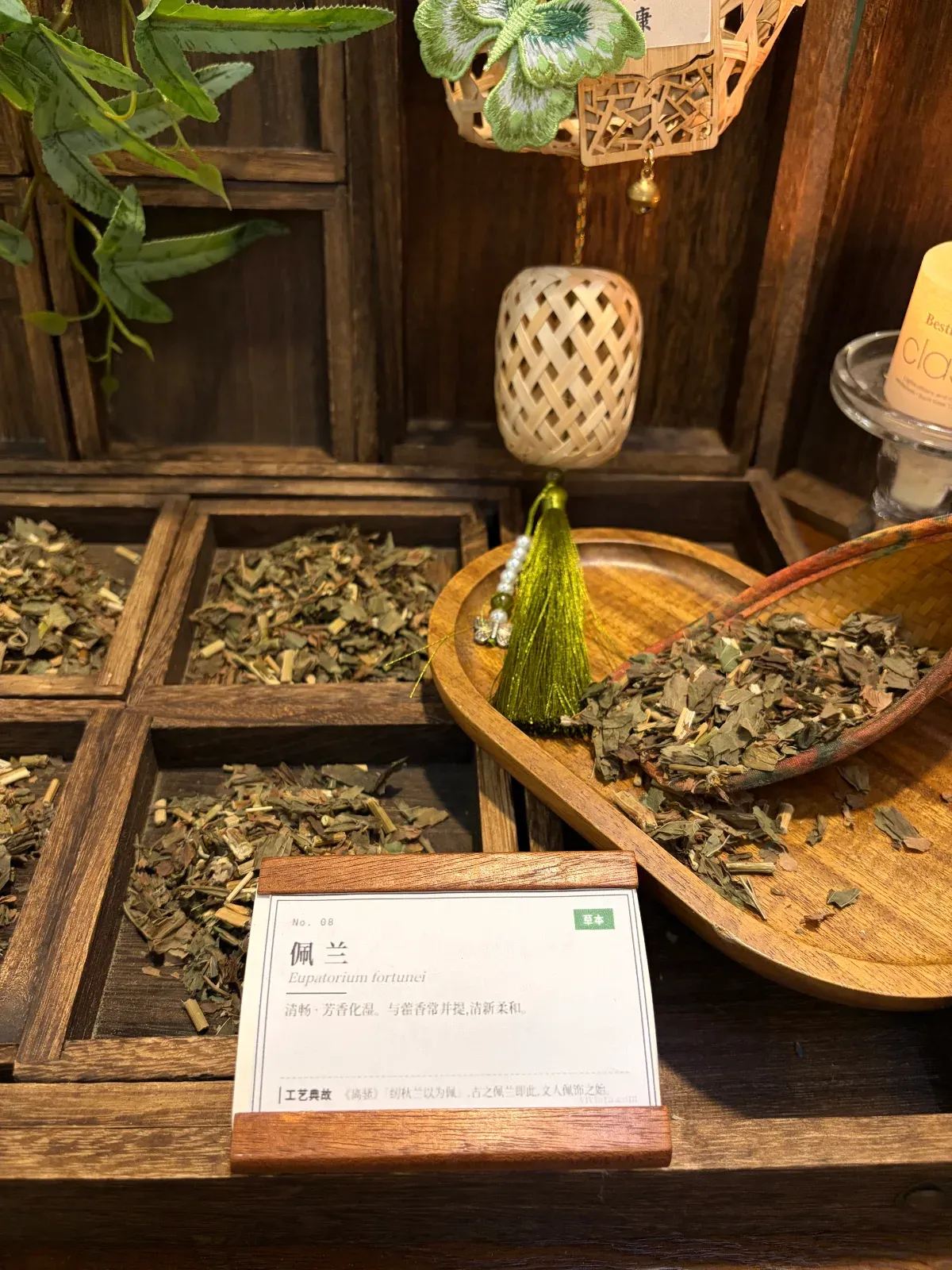
Eupatorium, known in Chinese as Peilan, is a herbaceous plant whose dried stems and leaves have been collected and appreciated in China for their fresh, green aroma. The botanical name most often attached to this material is Eupatorium fortunei. In the classical Chinese herbal literature — including the Compendium of Materia Medica (1596, Herbs III) — Peilan is the plant most frequently named in connection with the old fifth-month custom of wearing fragrant plants on the body. The name itself carries that meaning: it reads as "to wear orchids."
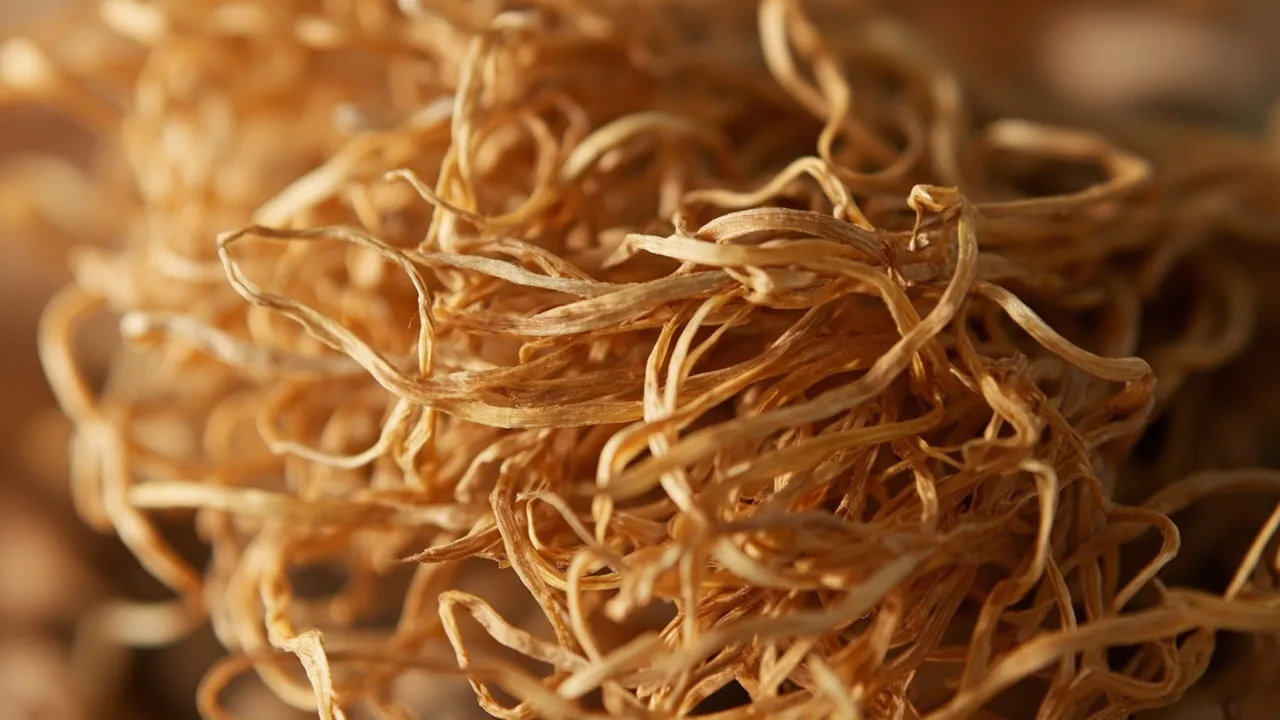
What arrives in your hands is simple and honest material: stems and leaves that have been harvested, cleaned, and shade-dried. Nothing is added. No fragrance oils, no chemical fixatives, no dyes. That restraint is exactly the point — you are buying a botanical scent material in something close to its natural state.
The Aroma: Light, Green, and Herbal
If you are used to sweet florals or heavy resins, Peilan will feel different. Its scent is light and fresh, with a green, herbal character that sits close to the material rather than filling a room. Think of the smell of a shaded garden after rain, or the clean edge of freshly cut stems.
Because the aroma is gentle, it works best in small, enclosed spaces where the material can release its scent slowly:
- Drawers and linen chests
- Closets and wardrobes
- Small cloth bags kept in a car
- Herbal pillows and sleep sachets
- Custom blends with other dried botanicals
It is a supporting note rather than a dominant one, which is why it blends so easily.
Traditional Uses Recorded in Classical Literature
In Chinese culture, Peilan is associated with purity and with clearing stale air — a cultural idea rather than a medical claim. It appears in classical poetry and in seasonal customs, reflecting a long-standing appreciation for fresh, natural scents in daily life.