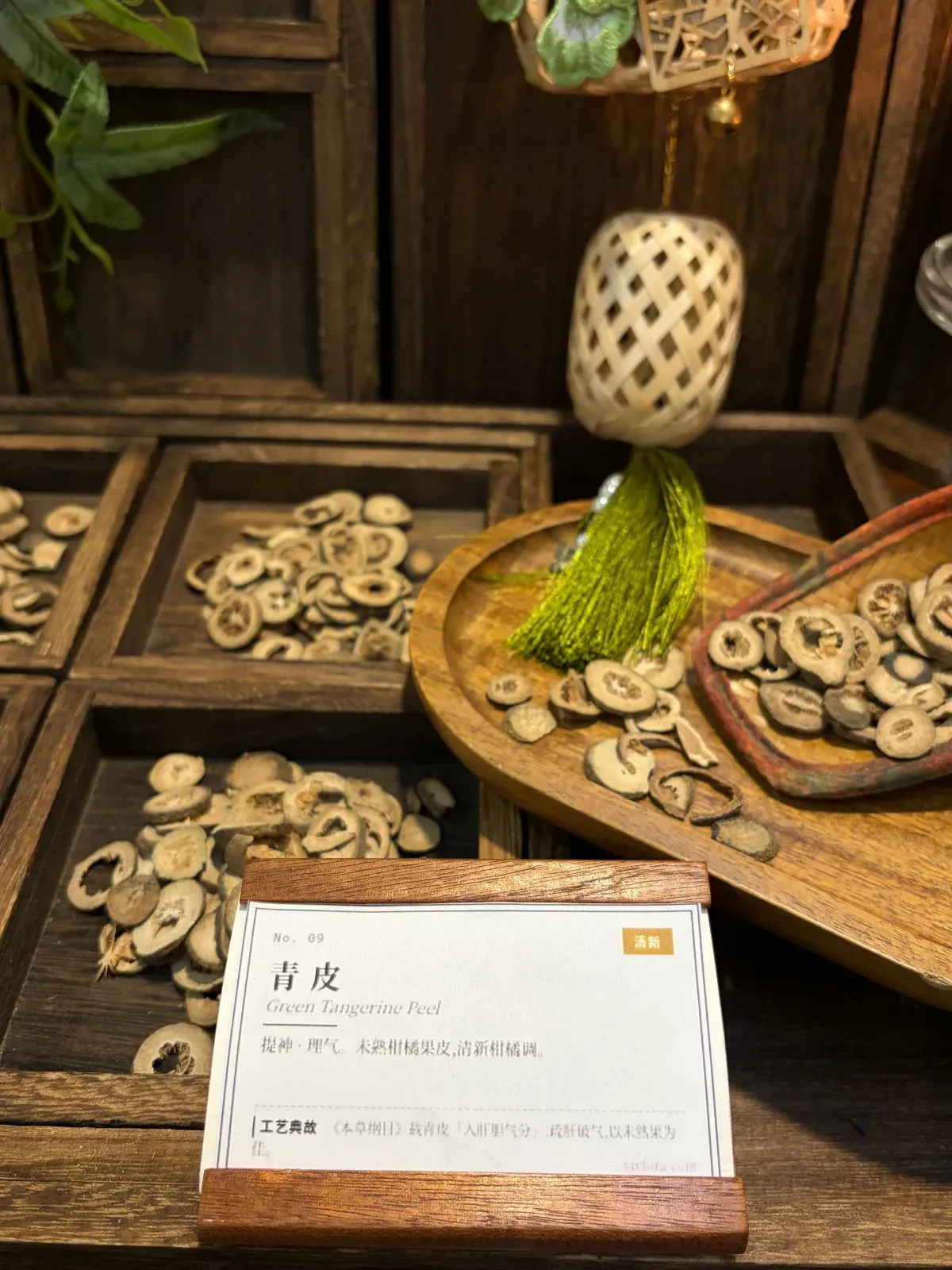
Green Tangerine Peel (Qing Pi): Aromatic Guide for Sachets & Blends
Green tangerine peel (qing pi) is the dried peel of unripe citrus, prized for its bright, bitter-citrus scent. Learn its aroma, sachet uses, storage, and safety notes.
What Is Green Tangerine Peel (Qing Pi)?
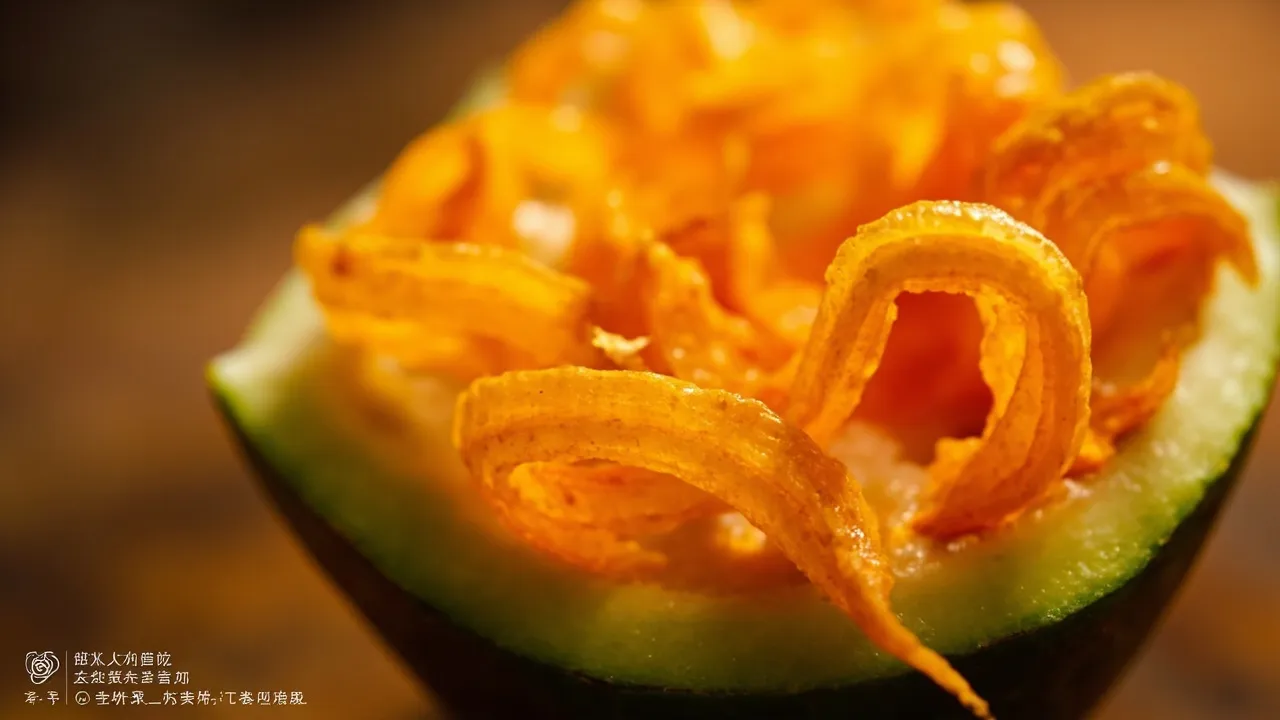
Green tangerine peel, known in Chinese as qing pi, is the dried peel of unripe citrus fruit. Unlike the golden-orange peel most Western cooks know, qing pi is harvested while the fruit is still green, then dried carefully so it keeps both its deep green color and a bright, fresh citrus aroma. The Chinese name literally reads as "green peel" — a plain, practical label for a material that has moved through Chinese household records for centuries.
The botanical source is Citrus reticulata in its immature stage. Because the peel is picked early, it carries a sharper, more bitter-citrus character than mature peel, with a scent that feels cool and lifting rather than sweet. Historical Chinese texts, including the Compendium of Materia Medica (1596), catalogued this peel among citrus materials used in daily aromatic and household practice.
This guide covers what qing pi is, how it smells, how it is processed, how modern makers use it in sachets and blends, and the safety points every buyer should know before ordering.
A Scent Profile Rooted in Chinese Aromatic Tradition
Qing pi occupies a specific place in Chinese aromatic culture: it is the note of freshness, alertness, and the turning of the seasons. Household records describe unripe citrus peel tucked into closets, tea tins, and travel pouches — a simple, plant-based way to keep stored goods smelling clean.
In modern aromatic practice, qing pi is valued as a bright, bitter-citrus top note. It lifts heavier woody blends that might otherwise feel flat or dense. A few characteristics stand out:
- Top-note brightness — the first impression is sharp, green, and clean
- Bitter-citrus depth — less sweet than mature orange peel, with a slight edge
- Blending flexibility — pairs well with woody, resinous, and floral materials
- Dry, non-cloying finish — it does not turn heavy or syrupy over time
For anyone building a home scent library, qing pi is the material that keeps a blend awake.
How Qing Pi Is Harvested and Dried
The quality of green tangerine peel depends almost entirely on timing and drying method.
Harvest Timing
Fruit is harvested before the peel turns yellow. At this stage the peel is firm, intensely aromatic, and rich in the volatile oils that give qing pi its character. Once the fruit ripens, the chemistry shifts and the scent becomes sweeter and rounder — pleasant, but no longer qing pi.