Botanical Herbs· 中国
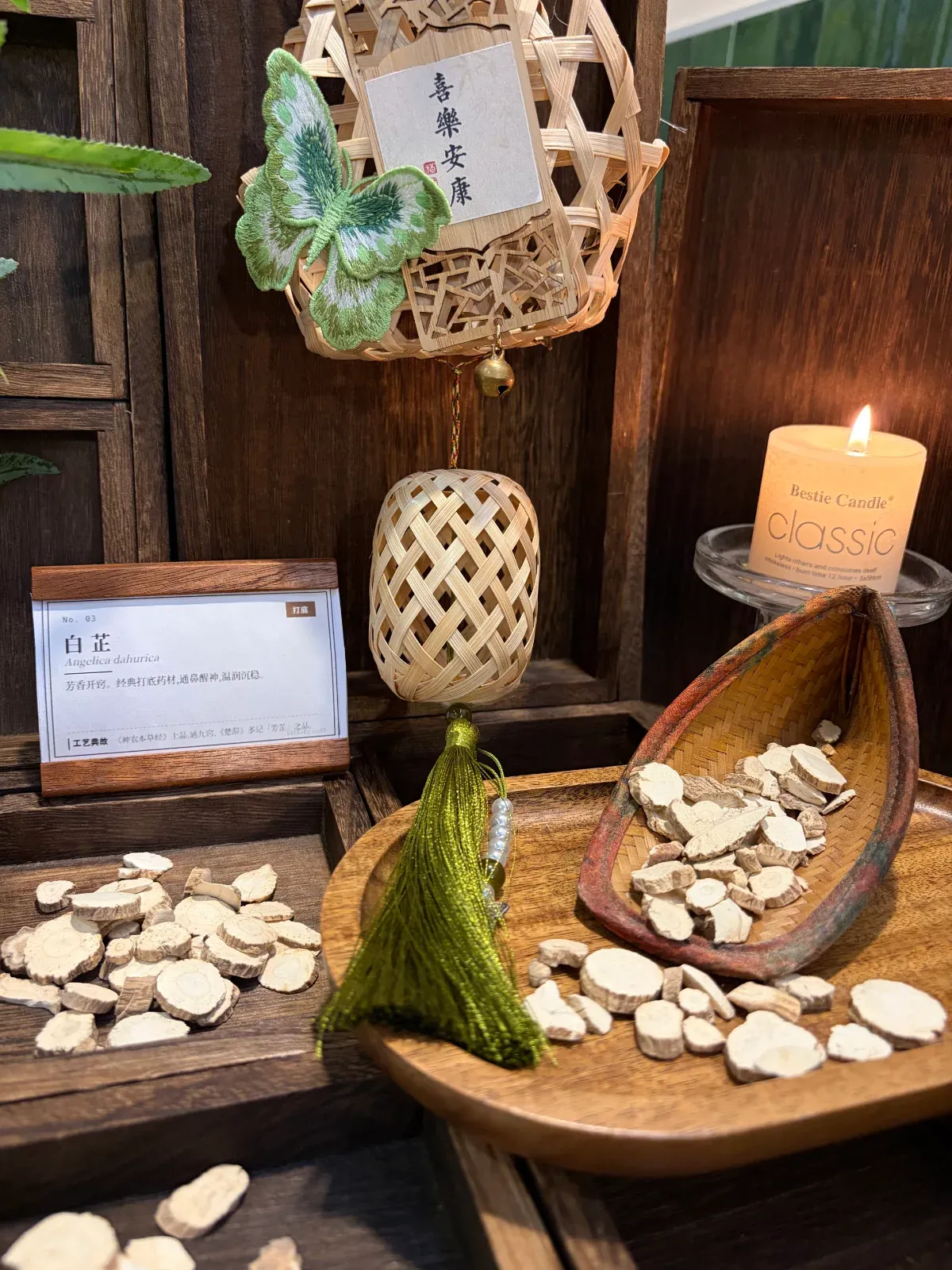
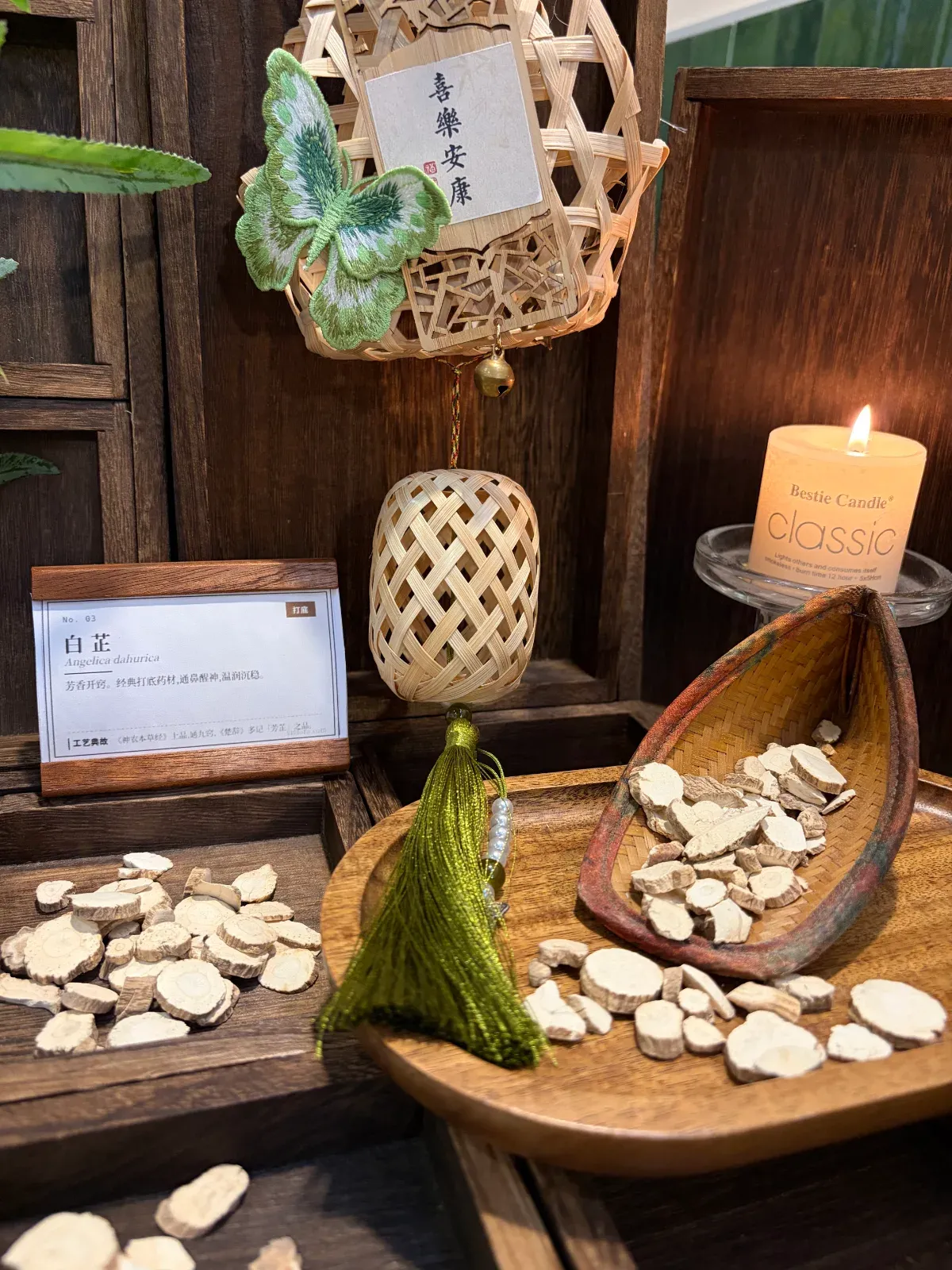
Angelica Root | Dao-di Aromatic Herb from Zhejiang & Sichuan, Base of Ancient Chinese Incense Formulas
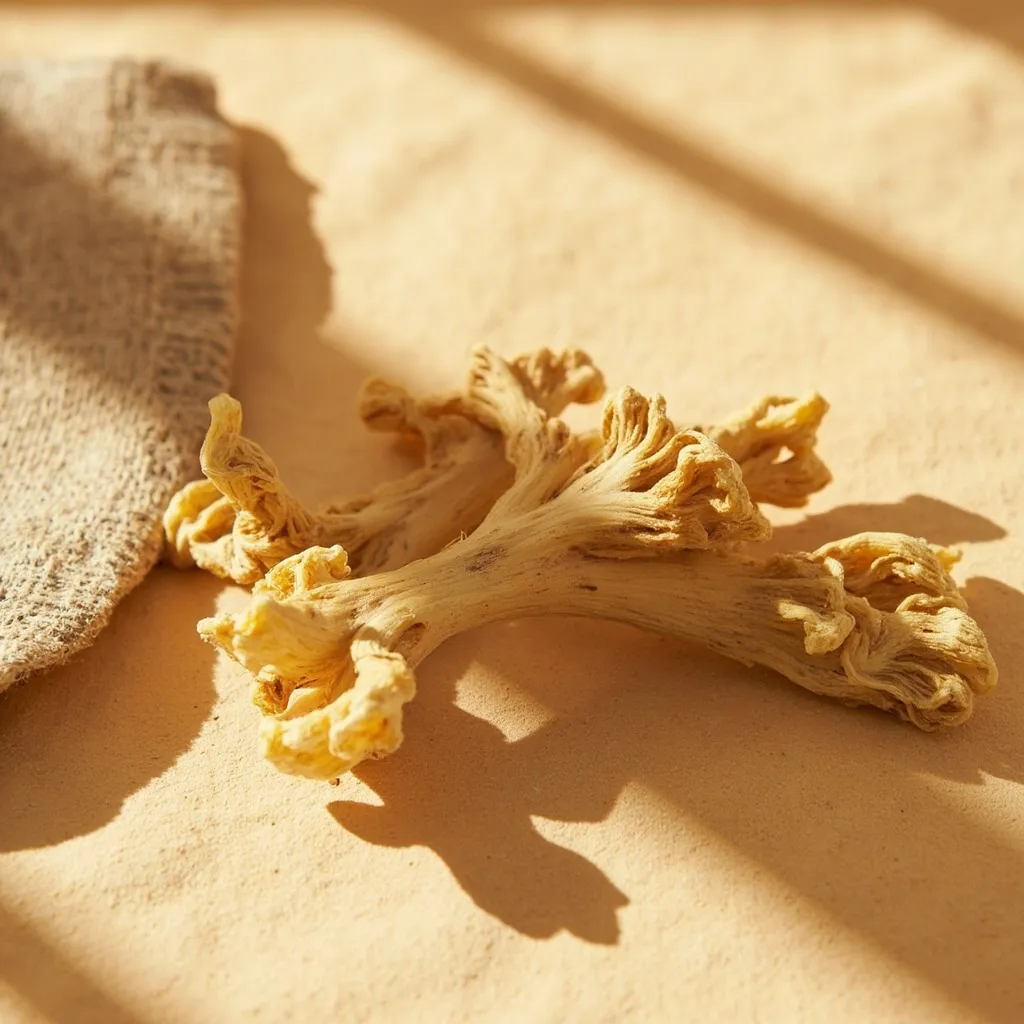
What it is: Angelica Root (Angelica dahurica) is a dried aromatic root from the Apiaceae family, traditionally grown in Zhejiang and Sichuan. Known in Chinese as baizhi, it has been used as a fragrance and herbal material since the pre-Qin period, and appears in classical incense formulas as a base note.
How to use & application scenes: In incense practice, angelica root is often blended with agarwood, sandalwood, clove, or nard to add a warm, slightly bitter, herbaceous depth. It can be burned alone as loose powder or made into incense sticks, cones, and sachets. It is also used in room-cleansing blends with mugwort and atractylodes, and in modern settings for meditation, study, or tea-room ambiance.
Craft: Roots are harvested in late summer to autumn when leaves yellow, cleaned of soil and fibrous roots, then sun-dried or low-temperature dried. For incense, the dried root is sorted, sliced, or ground. Some traditional recipes further process it with rice wine or honey to soften its pungent edge. Small-batch production relies on the maker's experience with local climate and material condition.
Cultural meaning: In Chinese literature, angelica root symbolizes integrity and purity. Qu Yuan's Li Sao uses zhi (angelica) as a metaphor for noble character. This root carries the ancient Chinese idea of using fragrance to cultivate the self, linking pre-Qin incense culture with contemporary mindful living.