Agastache Herb Guide: Aroma, Traditional Uses & Herbal Sachets
Agastache (Huoxiang) is a traditional aromatic botanical with a crisp, mint-like scent. Learn its recorded uses, air-drying craft, and how to use it in tea and sachets.

What Is Agastache (Huoxiang)?
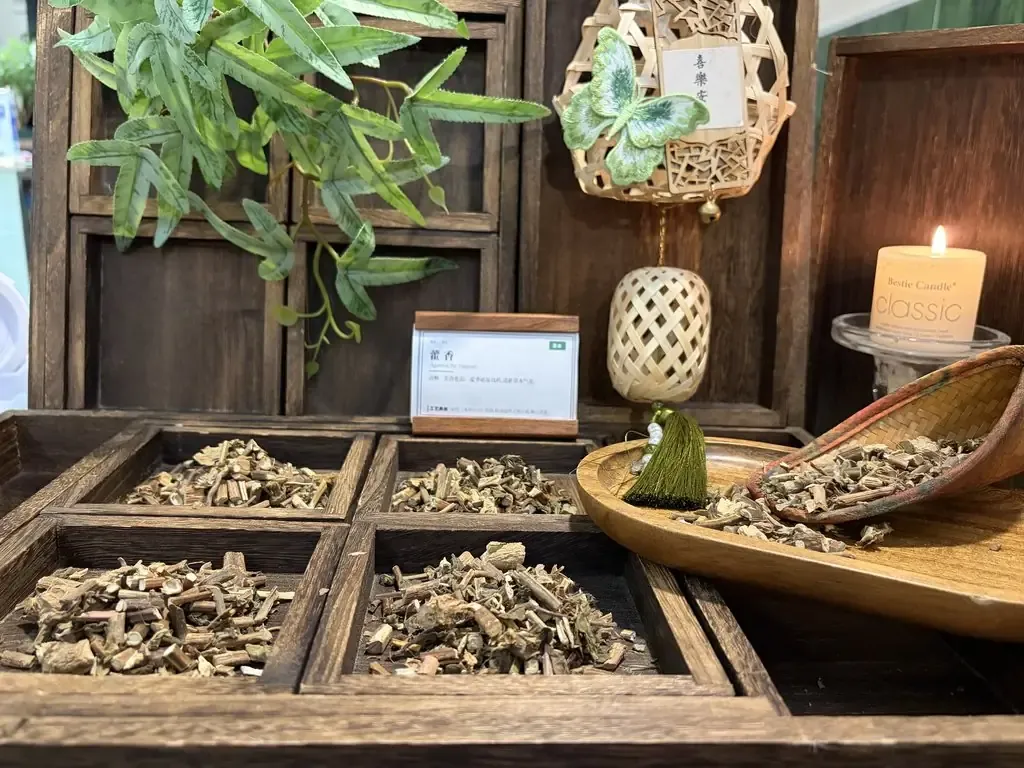
Agastache, known in Chinese herbal records as Huoxiang and botanically as Agastache rugosa, is an aromatic botanical of the mint family. It is a tall, leafy plant whose scent is released the moment the dried leaves are crushed — fresh, green, and unmistakably cooling. In the Compendium of Materia Medica (1596), the herb appears among the aromatic plants of high summer, described as a botanical tied to humid, warm seasons.
Unlike culinary herbs sold in supermarkets, Agastache for sachets and tea is harvested at a specific point in the growing season, then dried slowly to keep its aromatic compounds intact. That care is what separates a lively, fragrant batch from a dusty one.
The Aroma Profile: Crisp, Green, and Mint-Like
If you know mint, you already understand part of Agastache's character — but only part. Where mint is sharp and almost cold, Agastache reads softer and more rounded: a green top note with a faint herbaceous sweetness underneath. In modern aromatherapy pouches it is often described as a soft, green top note — crisp rather than sweet.
This is why it blends so well. It lifts heavier, warmer materials without overpowering them, which makes it a natural partner for perilla leaf and dried citrus peel in humid-season sachets and incense blends. If you enjoy the scent of a fresh herb garden after rain, this is close to that feeling in dried form.
Traditionally Recorded Uses
Agastache has a long history in Chinese herbal practice, where it was traditionally used for humid-season wellness and paired with other aromatics in seasonal blends. In classical formulas, its fresh, mint-like scent was combined with perilla leaf and citrus peel for sachets and incense. These are historical and cultural uses, not medical claims — the herb is valued today as an aromatic botanical for ambiance and daily ritual.
Common traditional contexts include:
- Summer sachets worn or hung to carry a fresh, green scent through warm, damp months
- Aromatic blends with perilla leaf and dried tangerine peel
- Herbal tea enjoyed alone or blended, especially in hot weather
- in drawers, wardrobes, and small rooms