Angelica Root: The Aromatic Base Note of Chinese Incense
Angelica Root (baizhi) from Zhejiang and Sichuan: a warm, rooty base note for incense and sachets. Learn its aroma, traditional uses, blending tips, storage, and safety.

What Is Angelica Root?
Angelica Root, known in Chinese as baizhi, is the dried aromatic root of Angelica dahurica, a plant in the Apiaceae family - the same botanical family as carrot, fennel, and celery. The roots are traditionally grown in Zhejiang and Sichuan, two regions long associated with careful cultivation and drying of aromatic plant material.
In Chinese herbal literature the root appears in the Compendium of Materia Medica (1596), listed among herbs, where its warm, resinous scent is noted as a common component of winter sachets and incense cakes. That single line tells you a lot: this is not a modern invention, but a material that has moved between medicine cabinet and incense room for centuries.
What you receive is a dried, sliced or ground root - pale tan outside, creamy within, with a firm, woody texture that grinds down into a fine aromatic powder.
How Angelica Root Smells
If you have only met angelica as a sweet candied stem, the root will surprise you. Its aroma is:
- Warm and rooty - closer to dry earth and old wood than to flowers
- Slightly bitter and herbaceous - a green edge that keeps sweetness in check
- Resinous in the base - it lingers low and slow rather than rising fast
- Dry rather than syrupy - which is exactly why blenders value it
In modern pouches it contributes a dry, rooty base note that anchors brighter florals. Think of it as the floor of a room: you rarely notice it, but everything else stands on it.
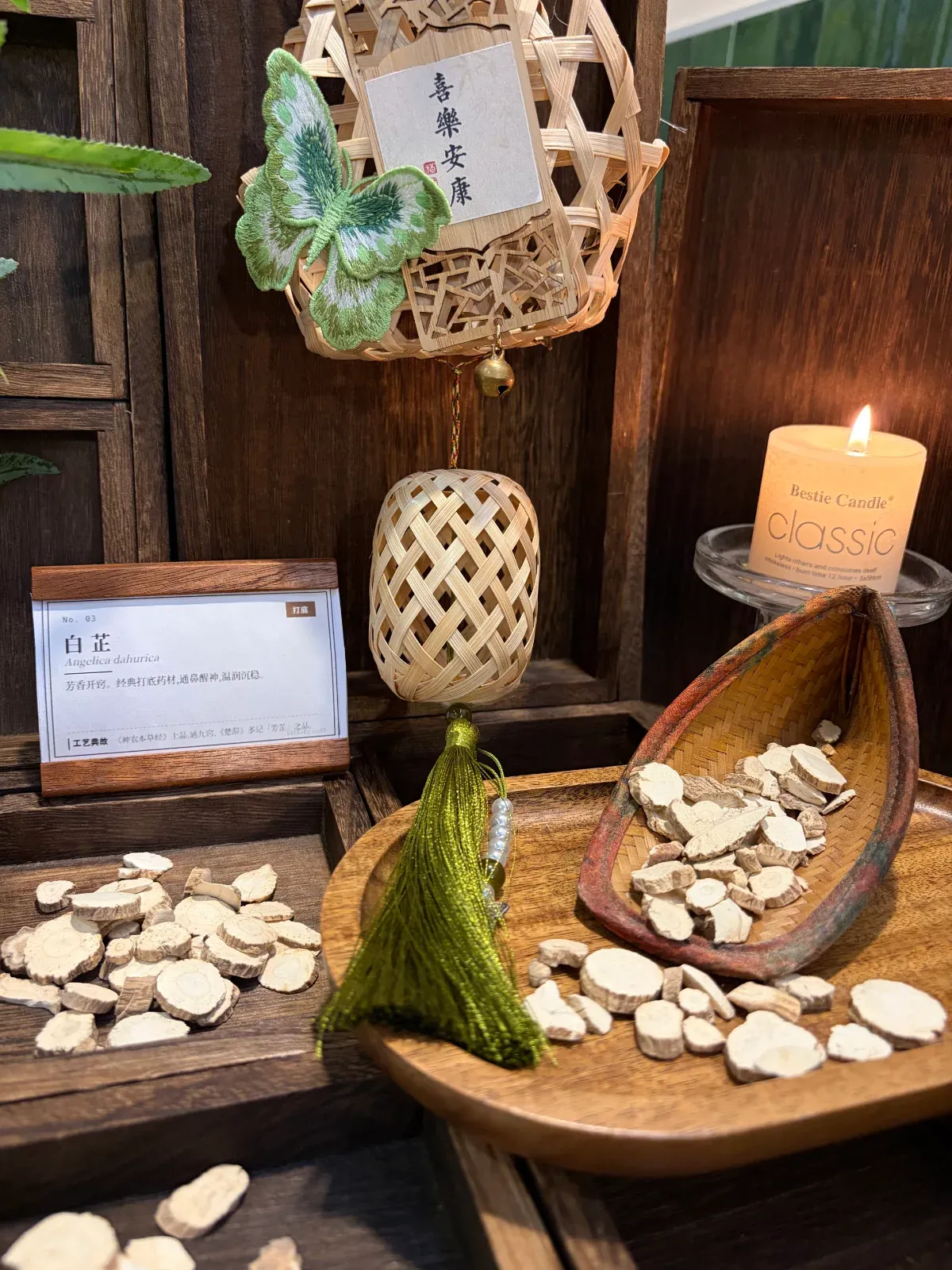
Traditionally Recorded Uses
Angelica root has a long record in Chinese aromatic practice. Traditionally used for: