Chrysanthemum Dried Flower Heads: A Complete Guide for Tea, Sachets & Autumn Rituals
A complete guide to chrysanthemum dried flower heads: botanical profile, Chinese cultural roots, aroma, brewing method, sachet ideas, storage tips, and safety notes.
What Are Chrysanthemum Dried Flower Heads?
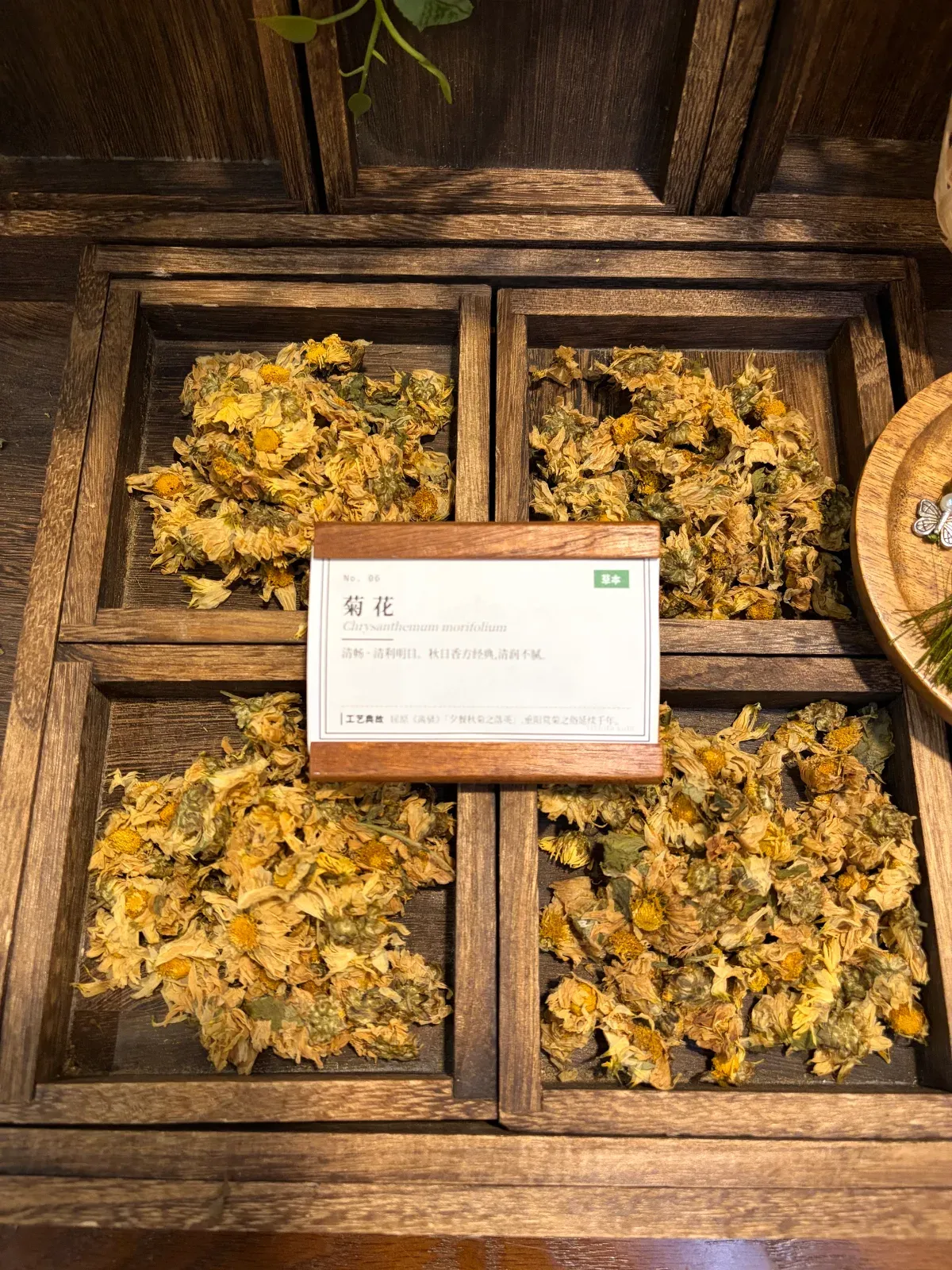
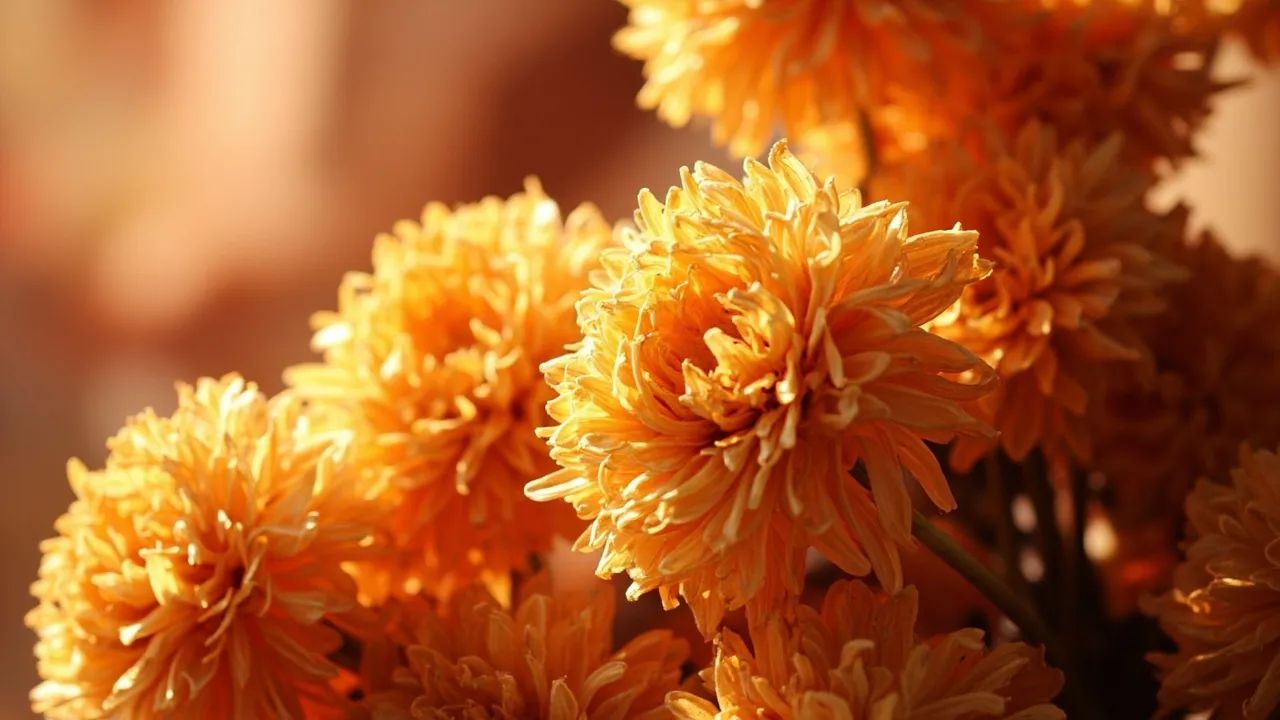
Chrysanthemum dried flower heads are the whole, sun- or air-dried blooms of Chrysanthemum morifolium, a flowering plant in the Asteraceae family. Each head is small, layered, and compact, ranging from pale yellow to creamy white. When you open a bag, you notice the heads have kept their shape: tight centers, curved petals, and a clean, faint herbal-floral scent rather than a sharp perfume.
This is not a blended tea dust or a crushed powder. It is the flower itself, harvested at bloom, dried at low temperature, and hand-sorted so the head structure survives. That care is why the ingredient works equally well steeped in a cup, tucked into a sachet, or pressed into handmade soap.
A Flower With Deep Roots in Chinese Culture
Chrysanthemum is one of the most frequently cited flowers in classical Chinese herbal records. It appears in the Compendium of Materia Medica (1596), in the section on herbs, where it is described as a cultivated garden flower with a long-standing place in daily life.
Beyond the page, the flower carries a cultural weight that is easy to feel even if you did not grow up with it:
- Autumn. Chrysanthemum is the flower of the ninth lunar month, blooming when most other plants have finished.
- Quiet elegance. Scholars kept potted chrysanthemums on their desks and painted them as a symbol of restraint rather than showiness.
- Longevity. The flower's late bloom made it a natural emblem of endurance and a long, steady life.
- Seasonal tea custom. Dried heads have been steeped in hot water for centuries as a caffeine-free infusion, often paired with other gentle ingredients.
In short, this is not a novelty botanical. It is a flower that has been part of East Asian daily ritual for a very long time, and that history is part of what you are buying.
The Aroma Profile: Hay, Honey, and Cool Air
If you are used to perfumed teas, chrysanthemum will surprise you. The dry heads smell like fresh hay with a faint sweetness underneath. Once steeped, the aroma opens into something softer: a light honeyed note, a green edge, and a cooling finish that lingers in the cup.
That profile is exactly why the flower works in two different contexts.