Hengxian Jasmine Tea: A Complete Guide to China's Sweet-Scented Floral Tea
A guide to Hengxian jasmine tea from Guangxi, China: its layered scenting craft, sweet floral aroma, traditional uses, herbal sachet ideas, brewing tips, and safety notes.
What Is Hengxian Jasmine Tea?
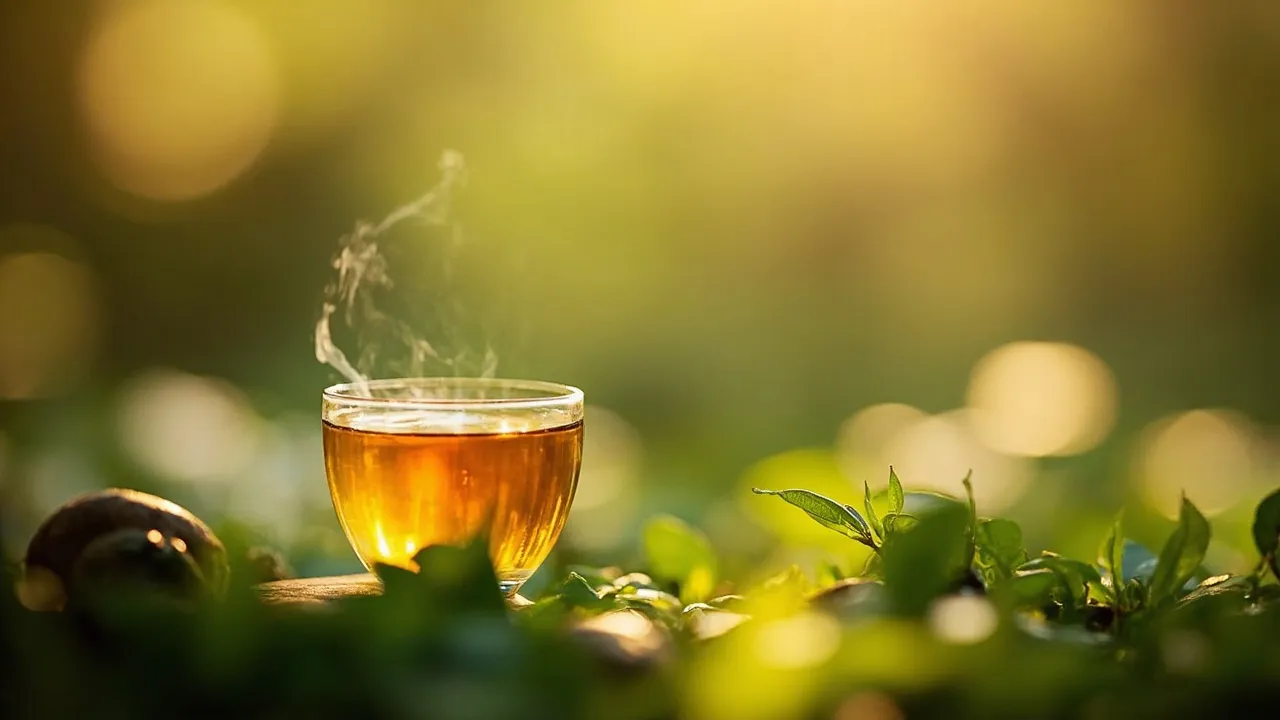
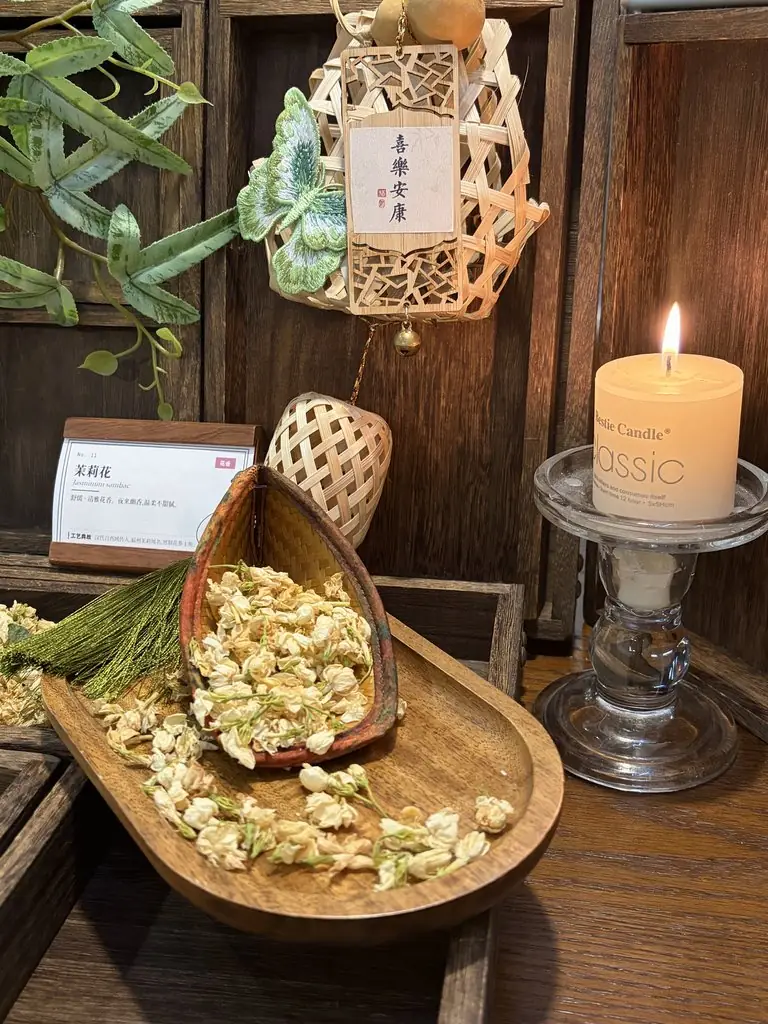
Hengxian jasmine tea is a scented tea from Guangxi, China, made by layering green tea with fresh jasmine blossoms. The flowers come from Jasminum sambac, the same species recorded in the Compendium of Materia Medica (1596) under Herbs III. The region's warm, humid climate has supported jasmine cultivation since the Ming dynasty, and local flowers are known for plump buds and a clean, sweet fragrance.
Unlike flavored teas that rely on oils or sprays, a true scented tea takes its aroma from real blossoms. The finished leaf is mostly tea — the spent flowers are sifted out — yet it carries a soft, honeyed jasmine note that lingers through several steeps. For overseas buyers, this distinction matters: it is the difference between a perfume and a scent that grew in a field.
How Traditional Scenting Works
Scenting is a rhythm, not a recipe. Makers alternate layers of fresh jasmine and dried green tea, then turn the heap to release heat as the flowers open. After the aroma has transferred, they sift out the spent blossoms and re-dry the tea. This cycle repeats several times.
Why Judgment Matters More Than Machines
The process depends on the maker's read of temperature and humidity — a hand skill passed down in Hengxian. Too much heat and the leaf turns flat; too little and the jasmine never opens. Because fresh flowers arrive at night, scenting often happens after dark, when the buds release their strongest fragrance.
Layers, Turning, and Re-Drying
- Layering: fresh blossoms and tea are stacked in alternating beds.
- Turning: the heap is turned to release heat and keep the flowers from spoiling.
- Sifting: spent blossoms are removed so the leaf stays clean.
- Re-drying: the tea is gently dried to lock in the aroma before the next round.