Vivfora Sachet Atelier
HERITAGE PIECE
Curated Marketplace.
Every piece is signed, traced to its workshop, and ships from our Shenzhen fulfilment centre in 5–7 working days.
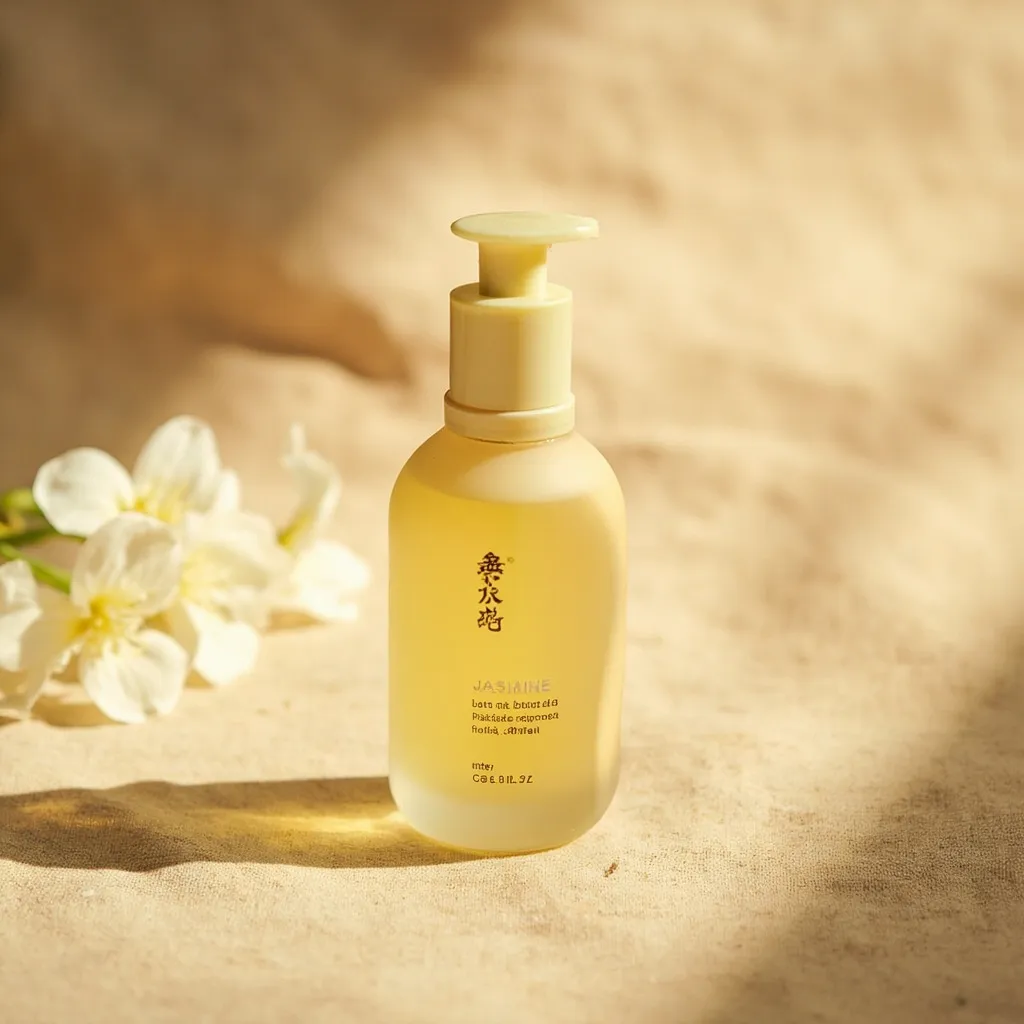
● IN STOCKBotanical Herbs
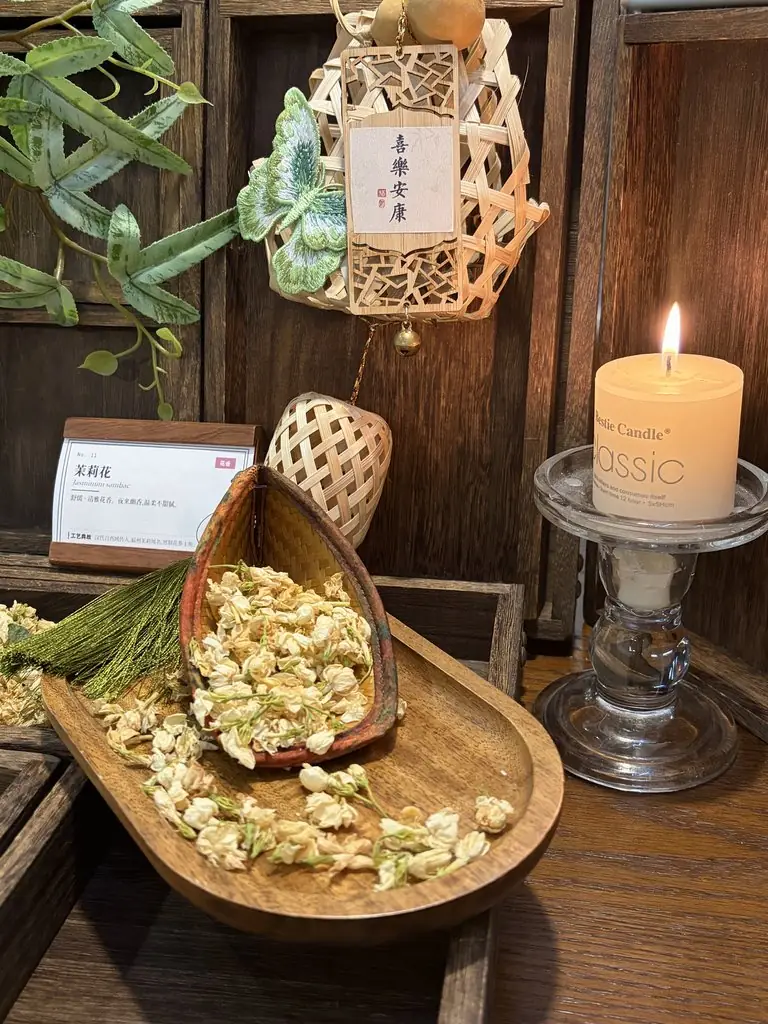
Hengxian Jasmine Tea – Classic Sweet-Scented Floral Tea from Guangxi, China
ORIGIN · China
Business Inquiry
💼 B2B Inquiry (sales@vivfora.com)
Bulk orders & wholesale only — this item is a raw aromatic material, not a retail-ready product. Tell us the volume you need and we reply within 1 business day.
WORKSHOP PROVENANCE
M
15*25
About This Piece
DESCRIPTION
What it is: Hengxian jasmine tea is a scented tea made by layering green tea with fresh jasmine blossoms grown in Guangxi, China. The region's warm, humid climate has supported jasmine cultivation since the Ming dynasty, and its flowers are known for plump buds and a clean, sweet fragrance.
How to use & application scenes: Enjoy it at work, as an afternoon tea, or when welcoming guests. Steep 3–5 g in 85–90°C water for 1–2 minutes; the leaves can be re-steeped 2–3 times. For a softer, sweeter cup, cold-brew in the refrigerator for 4–6 hours.
Craft: Traditional scenting follows a careful rhythm — alternating layers of fresh flowers and tea, turning the heap to release heat, then sifting out the spent blossoms and re-drying the tea. This cycle is repeated several times. The process relies on the maker's judgment of temperature and humidity, a hand skill passed down in Hengxian.
Cultural meaning: Jasmine arrived in China from the western regions and took root in Hengxian, where it became a shared local memory for flower farmers and tea makers. Its gentle sweetness stands for warmth and hospitality — a simple way to welcome someone to the table.
Product Details
Close-Up Details
The Craft & Meaning.
Craft & Culture
PROCESS
Picking: flower buds are gathered on sunny summer afternoons when their fragrance is fullest. Resting: buds are spread out to open naturally and release scent. Scenting: tea and fresh flowers are layered so the leaves absorb the aroma, with the heap turned to release heat. Sifting: spent blossoms are removed so no petals remain in the tea. Re-drying: low-temperature drying locks in aroma and controls moisture. Finishing: a final small batch of fresh flowers lifts the fragrance for a clean, lasting sweetness.
MEANING
Jasmine came to China from the western regions and took root in Hengxian, Guangxi, where it has been part of local life for centuries. Its gentle sweetness stands for warmth and hospitality — a simple way to welcome someone to the table.
Specifications
Material · Size · Origin · Craft
Dimensions
15*25
Weight
100 g
Origin
China
Ships From
China
Craft
Jasmine Tea Scenting
Shipping & Returns
Ships From · Lead Time · Returns
Ships From
China
Lead Time
Made to order · ~14 days + 7–14 days shipping
Returns
7-day return window on standard pieces. Pre-order & made-to-order are final sale.
Questions
Materials · Care · Sizing · Shipping
How should I store and brew this tea?
Keep it sealed, cool, dry, and away from strong odors. Steep 3–5 g in 85–90°C water for 1–2 minutes and re-steep 2–3 times.
Will it be affected by customs or import rules?
Dried tea is generally treated as a food product; some countries require import permits or inspections. Check your local rules before ordering.
Is the tea shipped with the flowers still in it?
Traditional scenting sifts out spent blossoms, so the finished tea is mostly leaf with a sweet jasmine aroma.
How long does shipping take?
Delivery times vary by destination and carrier; tracking is provided once the parcel leaves our warehouse.
Customer Reviews
Ratings from real buyers
—
★★★★★0 reviews
5 star0
4 star0
3 star0
2 star0
1 star0
No reviews yet. Be the first to share your experience.
You May Also Like
More from this maker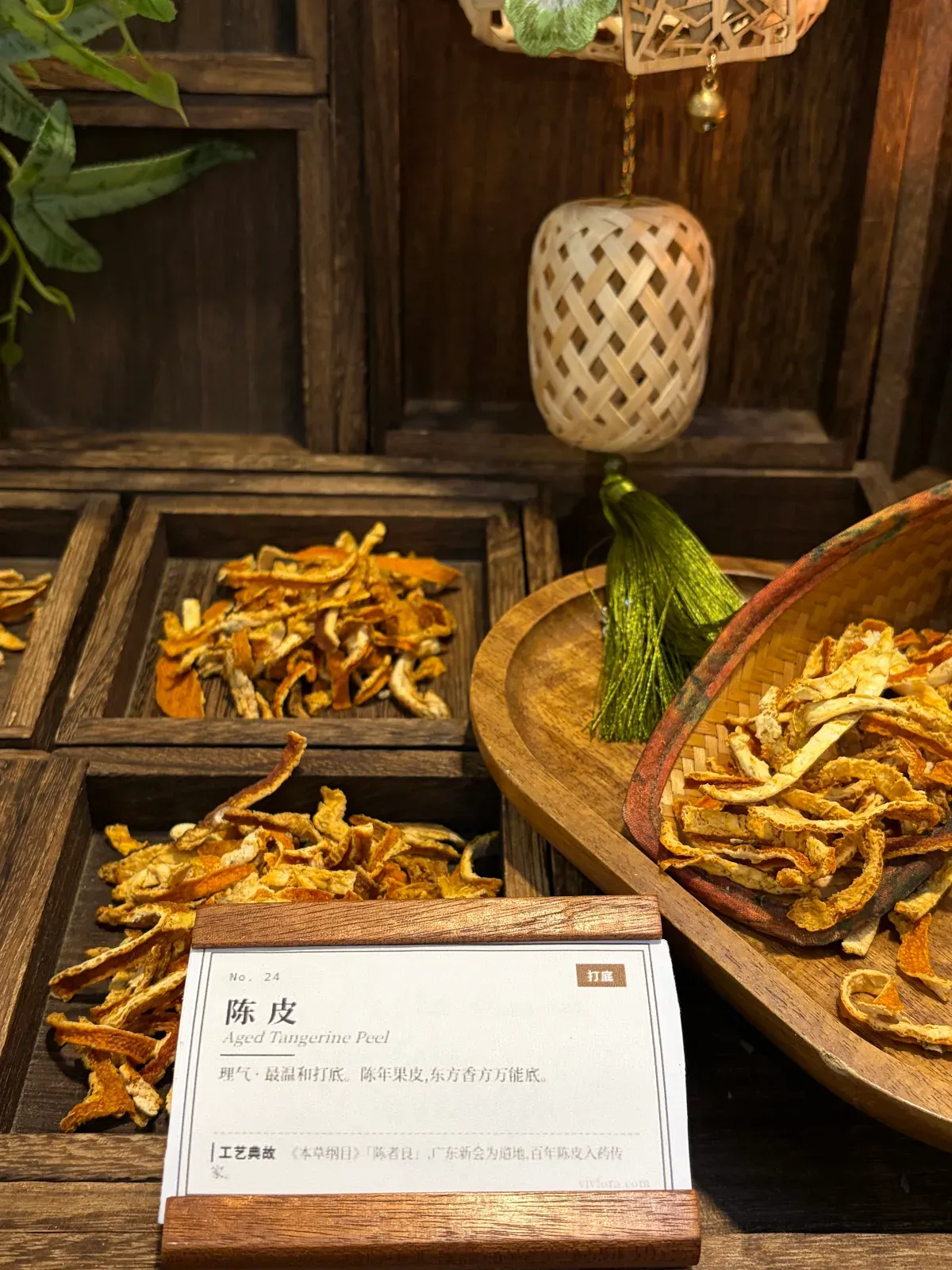 NOT FOR SALE · B2B
Xinhui Chenpi — Aged Tangerine Peel from Guangdong, China
China
 NOT FOR SALE · B2B
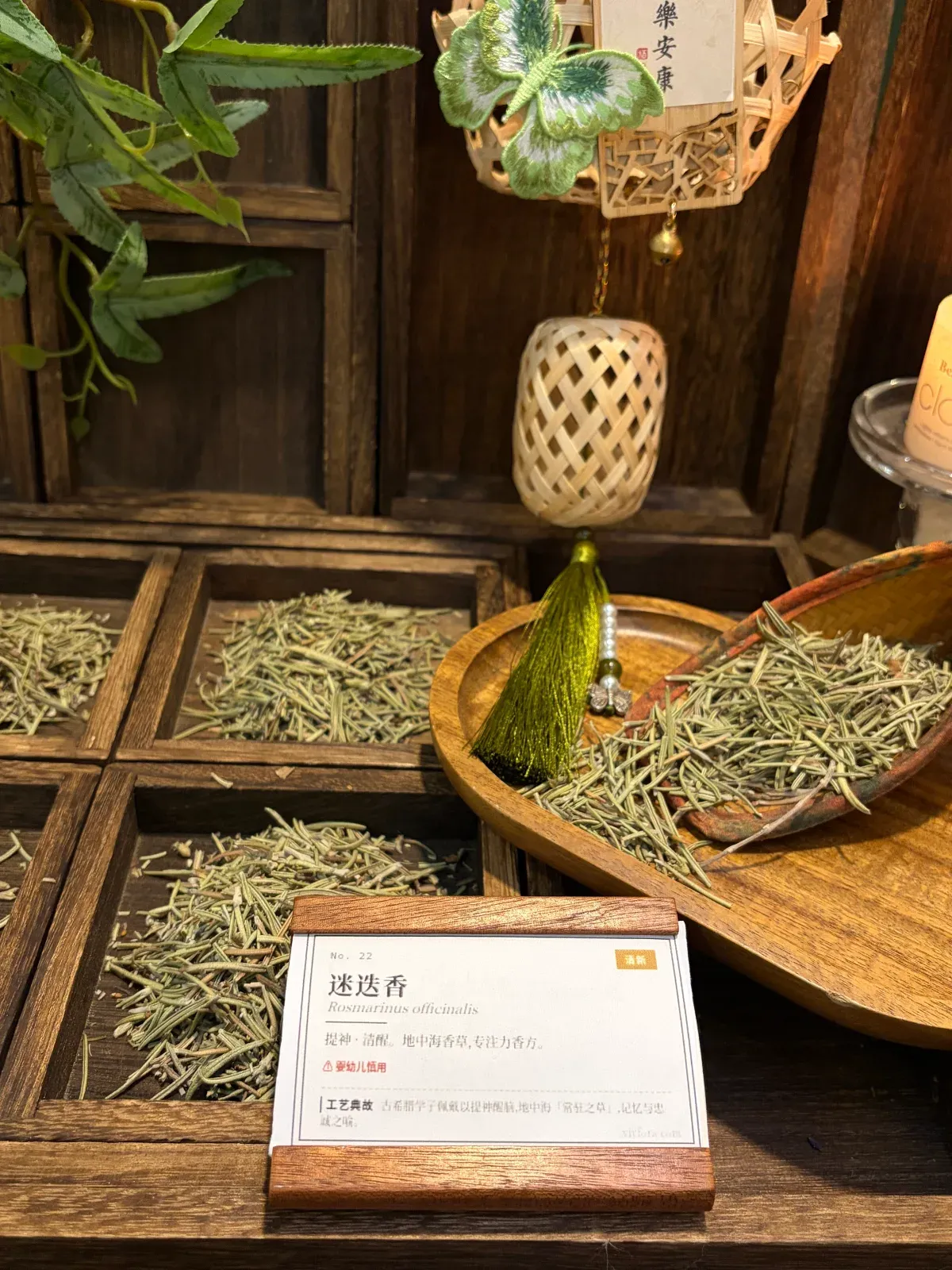
Yunnan Rosemary Dried Herb | Mediterranean Aromatic Culinary Herb
China
 NOT FOR SALE · B2B
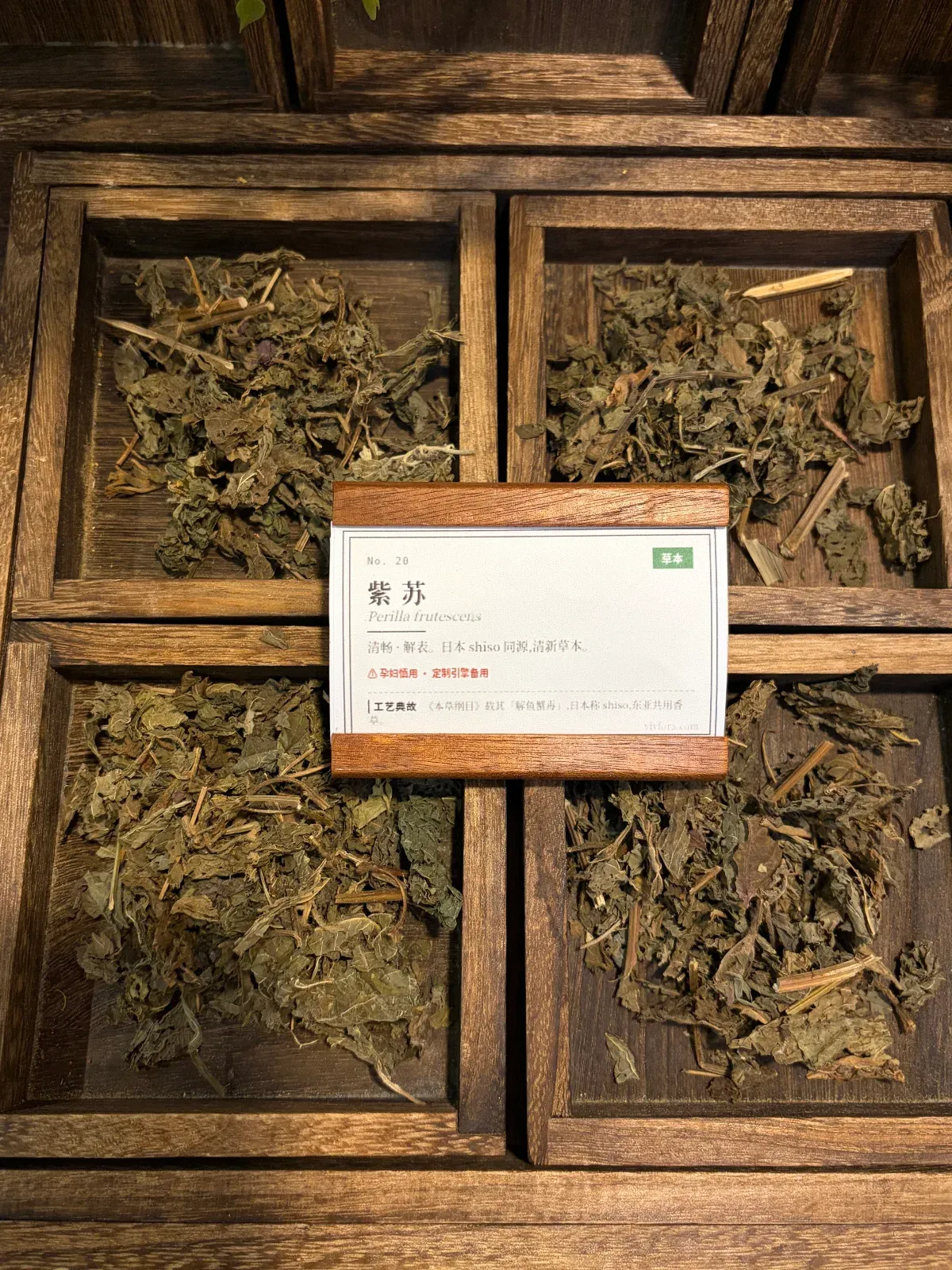
Perilla Leaf | Culinary & Herbal Aromatic Herb
China
 NOT FOR SALE · B2B
Osmanthus Dried Flowers | Sweet Floral Aroma from China | Herbal Botanical
China