
Chinese Jewelry Types: A Buyer's Guide to Materials, Style and Daily Wear
A practical buyer's guide to Chinese jewelry types: silver, filigree, enamel and stone-set pieces, how to judge materials and settings, and what to check before ordering.
What "Chinese Jewelry Types" Actually Means
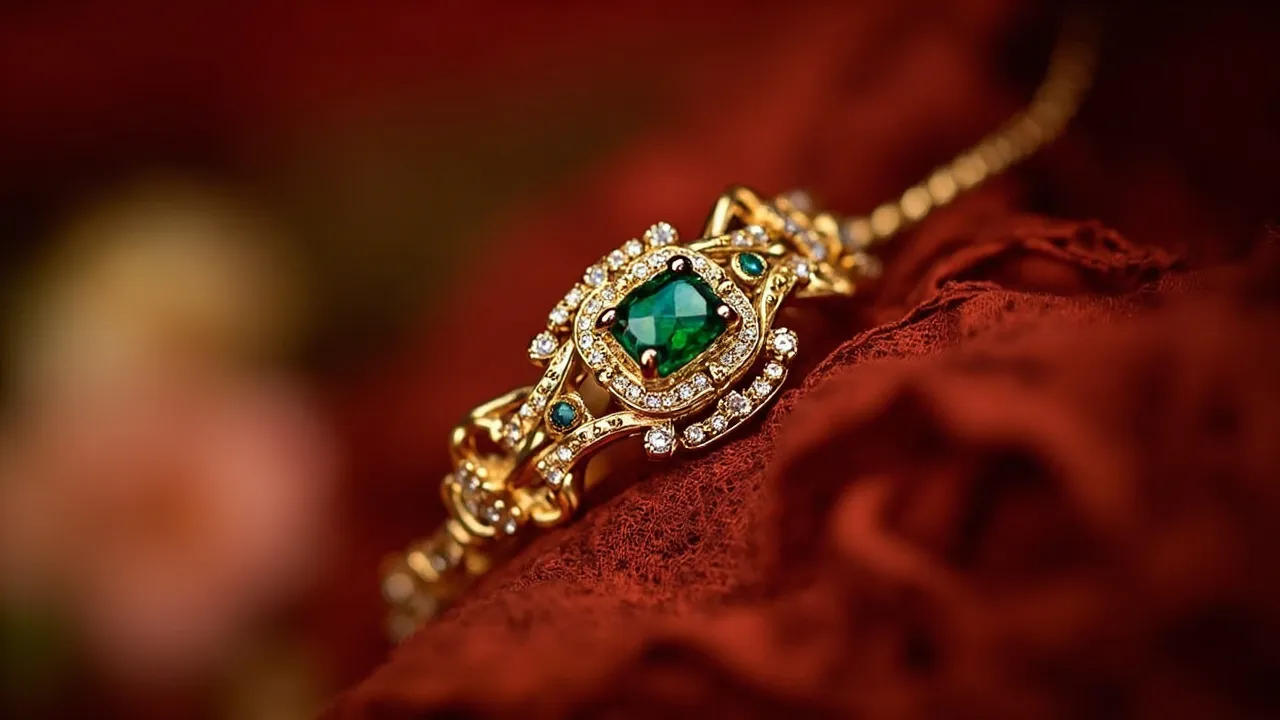
Search for "chinese jewelry types" and you will find two very different things mixed together. One is a set of material and craft categories — silver work, jade, enamel, filigree, wood and seed beads. The other is a set of shapes and symbols: the circle, the knot, the lock, the flower.
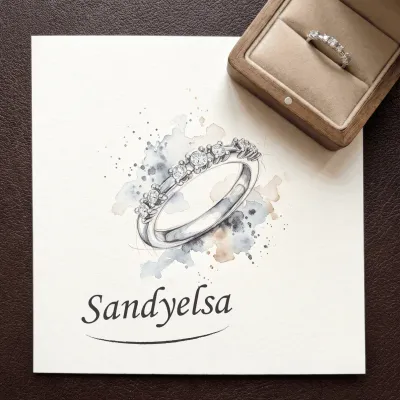
For a buyer, the useful reading is simpler. Chinese jewelry is not one style. It is a family of techniques and materials, and most pieces you will actually wear sit at the meeting point of old technique and modern proportion. A slim silver band with evenly spaced stones is as much a part of this conversation as a carved pendant, because the design logic — balance, repetition, a quiet centre — carries across.
This guide walks through the categories, the materials, and the checks that matter before you order, so you can judge a piece on what it is rather than what it is called.
The Main Categories You Will See
Silver work
Sterling silver, marked S925, is 92.5% silver. It is the backbone of wearable Chinese jewelry: rings, bangles, chains and small pendants. Many pieces are rhodium plated for a brighter, more even surface.
Filigree (xi si)
Fine metal wire drawn, twisted and soldered into openwork patterns. Filigree reads as lace from a distance and as structure up close. It is light, which makes it comfortable, but it is also more delicate than a solid band.
Enamel (cloisonné)
Coloured glass fused into wire cells on a metal base. Enamel gives strong colour and holds detail well, but it is a surface — sharp knocks can chip it.
Stone-set pieces
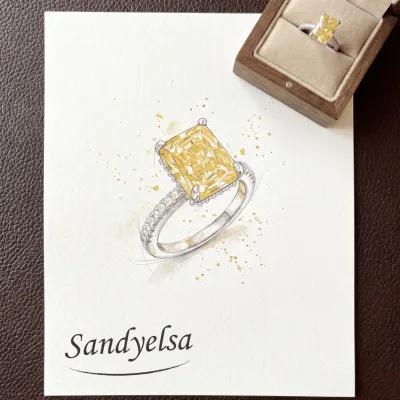
Jade, agate, pearl and, more recently, lab-grown stones such as Moissanite. The setting quality matters more than the stone name here: prongs should be even, stones should sit level, and spacing should be consistent.
Cord, knot and bead work
Silk cord, hand-tied knots and carved beads. These are the most forgiving pieces to wear and the easiest to restring over time.
A category name tells you almost nothing about quality. The material spec does.
- S925 sterling silver — look for the stamp. Sterling silver has weight and a warm white tone, and it will slowly dull with exposure to air, perfume and chlorine. That is normal, not a fault.
- Rhodium plating — a bright, even layer over silver. It is a coating, not a permanent finish, so re-plating after years of wear is routine care rather than a repair.
- Moissanite — a lab-grown stone. It is not a diamond, and it should not be sold as one. It is chosen for brightness and a neutral white tone.
- Jade and agate — natural variation in colour and translucency is expected. Photographs rarely capture it exactly.
If a listing does not state the metal, the stone type and whether a finish is plated, ask before buying.
How to Choose a Piece for Daily Wear
Daily wear rewards restraint. A ring you wear to work, to wash your hands and to sleep in needs low proportions and secure settings more than it needs size.
Think about three things:
- Height. A low-set stone sits close to the finger and catches less on sleeves and bags.
- Repetition. Evenly spaced accent stones create a steady rhythm that reads as one line rather than a raised centrepiece.
- Stacking. A slim band layers with plain rings you already own; a wide, tall piece usually wants to be worn alone.
A real scenario: you are buying a first "good" ring for someone who wears jewellery every day but dislikes fuss. A low white stone on a slim silver band will be worn constantly. A tall cluster will spend most of its life in a box.
What to Check Before You Order
- Sizing. Confirm the size scale. Rings listed in US sizes (for example 5#US to 9#US) should say so clearly.
- Setting photos. Ask for a side view. Even prongs and level stones are visible from the side, not the front.
- Plating disclosure. A seller who tells you plating wears over time is being straight with you.
- Returns and resizing. Check the policy before purchase, especially on sized pieces.
- Stone identity. Lab-grown Moissanite should be described as Moissanite, never as diamond.
More Chinese Jewelry Types: a factual buyer's guide for jewelry s to Explore
Readers who enjoyed this guide usually continue with Chinese Jewelry Types: a factual buyer's guide for jewelry s products and related heritage pieces:
- Chinese Jewelry Types: A Buyer's Guide to Materials, Style and Daily Wear — the exact product featured in this article
- Herbal sachet collection — hand-tied aromatic pouches, ready to ship
- All Chinese heritage crafts and wellness goods — browse the full catalogue
Featured pieces in this story
Silver care, sizing and styling guides — plus first look at new pieces. Unsubscribe in one click.