
Pendant Necklace for Women: A Buyer's Guide to Materials, Daily Wear & Choosing Well
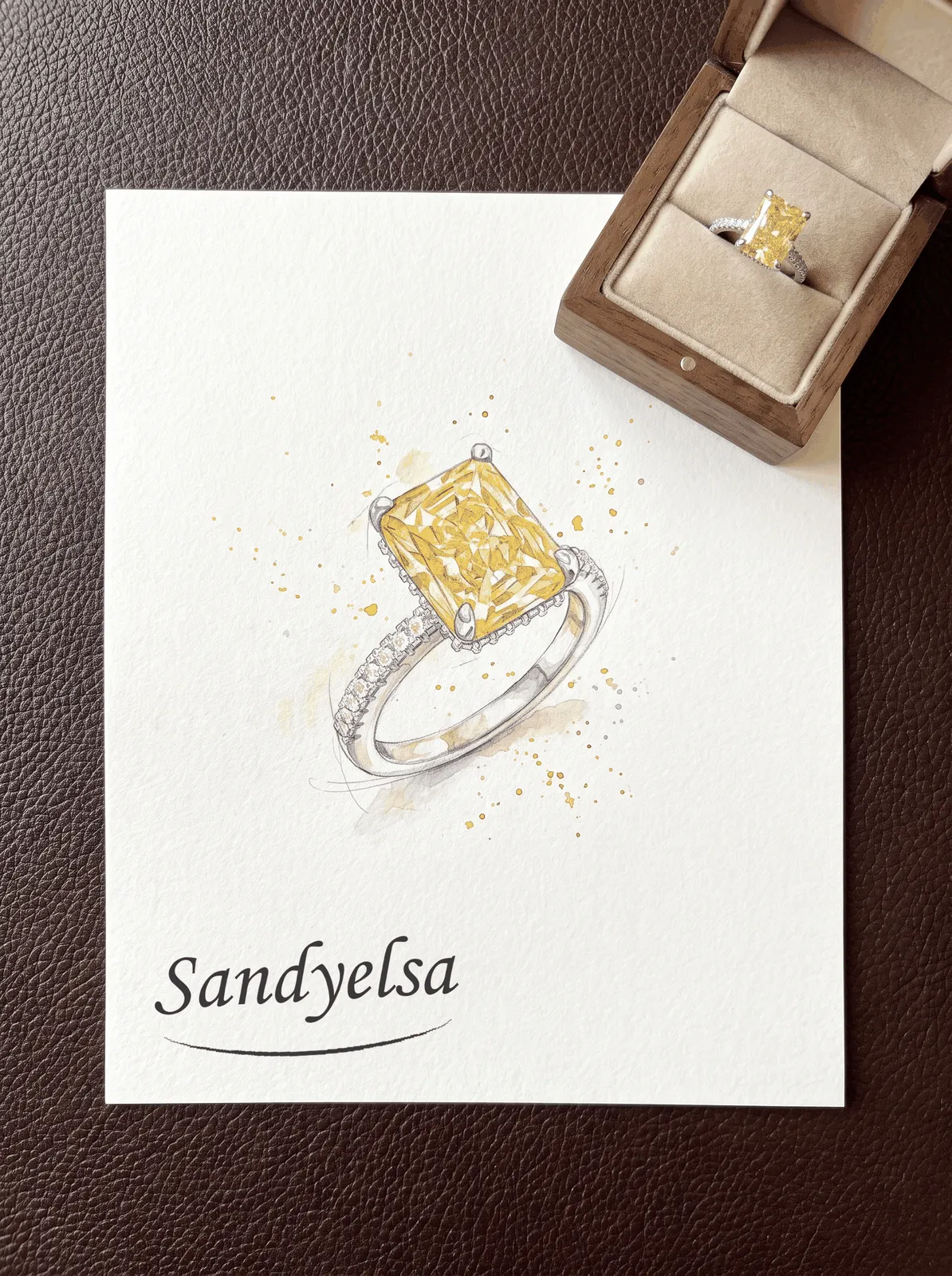
What a pendant necklace for women really means, how metal and stone choices affect daily wear, how to pick a length, and what to verify before you order — plus a square-stone ring that pairs well with a fine chain.
What 'Pendant Necklace for Women' Actually Means
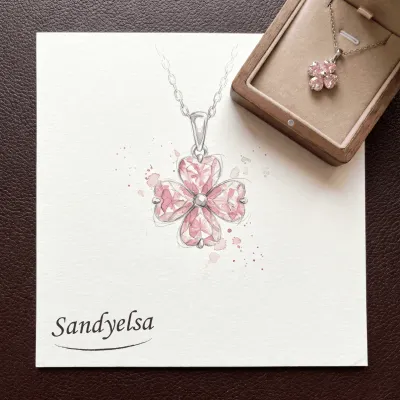
A pendant necklace is a chain with a single focal piece suspended from it. "Pendant necklace for women" is a search phrase rather than a technical category — it describes a format, not a material, price band, or style school. The pendant might be a stone in a setting, a flat metal disc, a small charm, or a geometric shape. What unites the format is that the pendant hangs freely and moves.
That movement is the practical difference between a pendant and, say, a fixed collar or a chain worn tight. A pendant rotates, catches light from changing angles, and shifts position as you move. If you are shopping for a first piece of fine-ish jewelry, this is usually the most forgiving format to start with.
Materials: What the Chain and Pendant Are Made Of
Two material decisions matter most: the metal and the stone.
- Sterling silver (S925) is 92.5% silver alloyed with other metals for strength. It has a warm white tone and real weight in the hand. It can tarnish over time, which is normal and reversible with a soft cloth.
- Rhodium plating is a thin layer applied over silver or base metal to give a bright, even, tarnish-resistant surface. It is a layer, not a permanent coating — re-plating is a routine part of long-term care.
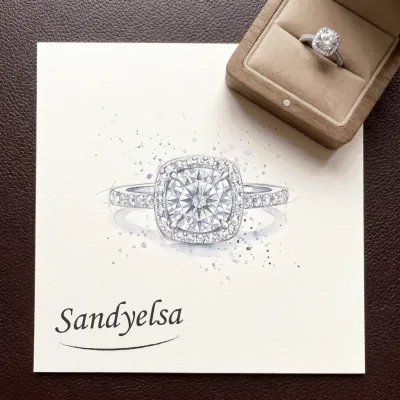
- Cubic zirconia is a lab-created stone widely used in jewelry. Cuts are graded in the trade; an "8A ice cut" refers to a cutting style that produces sharp, cool flashes rather than a soft glow.
- Gold-filled and vermeil are different constructions again, with different wear profiles. Ask which one you are buying; the terms are not interchangeable.
How a Pendant Sits Through a Normal Day
Consider a Tuesday. You put the necklace on over a knit top, and the pendant rests at the sternum. By mid-morning it has rotated slightly, so the flat face of the stone now angles toward the light rather than away from it. At lunch you lean over a table and the pendant swings forward — this is why pendant length matters more than pendant size for comfort.
By evening, if you have been wearing it against skin all day, the underside of the pendant may have picked up a little body oil and perfume residue. A quick wipe with a dry soft cloth before storing it keeps the surface even. This small habit does more for long-term appearance than any single cleaning product.
How to Choose: Length, Scale, and Stone
Length first. Common chain lengths sit at roughly 16 inches (collarbone), 18 inches (just below the collarbone), and 20–24 inches (over the sternum or lower). A pendant on a 16-inch chain reads as delicate and sits close to the neckline; the same pendant on a 22-inch chain reads as relaxed and layers more easily over knits.
Scale second. Match pendant width to your frame and to the necklines you actually wear. A wide pendant on a thin chain can tip forward; a very small pendant on a heavy chain can look lost.
Stone and setting third. Ask whether the stone is prong-set or bezel-set. Prong settings leave the sides open so light enters from more angles; bezel settings protect the edges of the stone but read flatter. Neither is better — they wear differently.
What to Check Before You Order
- Metal specification in writing. "Silver" alone is not enough; look for S925 or an equivalent purity mark.
- Plating disclosure. Reputable listings state whether the piece is plated and what with.
- Chain type and clasp. Cable, box, and rope chains behave differently; lobster clasps are common and easy to operate alone.
- Stone security. Check that prongs are even and the stone does not rock in its seat.
- Return and resizing terms, especially for gifts where you cannot measure the wearer in advance.
- Allergen note. Rhodium-plated silver suits many wearers, but if you have known metal sensitivities, confirm the full composition before ordering.
If you are shopping more broadly, browsing all Chinese heritage crafts is a useful way to compare formats and finishes side by side.
More Pendant Necklace For Women: a factual buyer's guide for jewe to Explore
Readers who enjoyed this guide usually continue with Pendant Necklace For Women: a factual buyer's guide for jewe products and related heritage pieces:
- Pendant Necklace for Women: A Buyer's Guide to Materials, Daily Wear & Choosing — the exact product featured in this article
- Herbal sachet collection — hand-tied aromatic pouches, ready to ship
Featured pieces in this story
Silver care, sizing and styling guides — plus first look at new pieces. Unsubscribe in one click.