

Sandalwood Bracelet Benefits: A Buyer's Guide to Materials and Daily Wear
A factual guide to sandalwood bracelet benefits: what the wood actually is, how to judge heartwood and scent, how to size and wear it daily, and what to confirm before ordering.
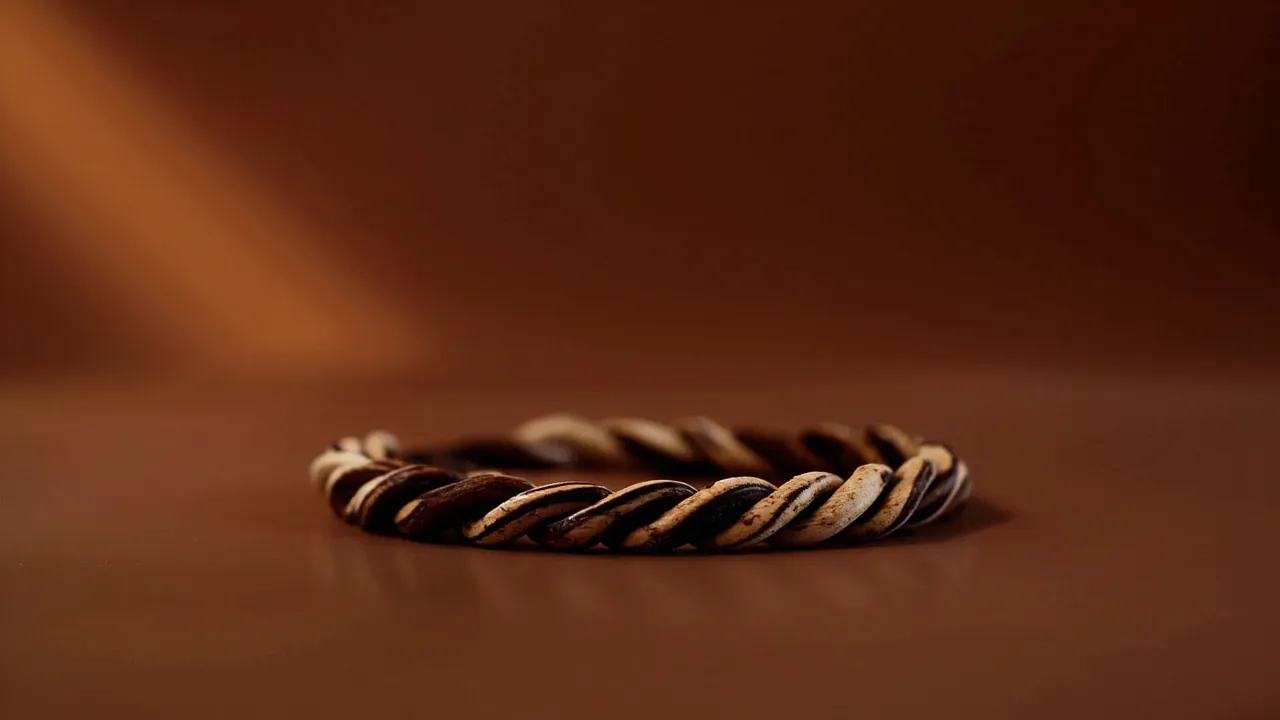
What People Mean by Sandalwood Bracelet Benefits
Search "sandalwood bracelet benefits" and you will find a wide mix of claims. Some are cultural, some are practical, and some go further than any maker can honestly support. This guide separates the three.
In many Asian traditions, sandalwood is valued for its scent and for the calm, unhurried atmosphere it is associated with. That is a cultural and sensory story, not a medical one. What a buyer can actually verify is simpler and more useful:
- Scent. Good sandalwood has a warm, dry, softly woody aroma that sits close to the skin rather than filling a room.
- Material honesty. The wood can be identified by grain, weight and smell, and reputable sellers will tell you the species and origin.
- Wearability. A well-drilled, well-finished bead bracelet is comfortable, does not catch on clothing, and ages visibly over time.
- Cultural continuity. Bead bracelets have long been worn as personal objects, often alongside metal jewellery rather than instead of it.
Traditionally used for relaxation, the rest — luck, fortune, specific wellness outcomes — are claims you should not rely on when you spend money. A bracelet is a piece of jewellery. Judge it as one.
The Material Behind the Scent: What Sandalwood Actually Is
Sandalwood is the heartwood of trees in the genus Santalum. The aromatic oils sit in the wood itself, which is why older, denser heartwood smells stronger and lasts longer than young or sap-heavy material. Commercially, the most discussed species are Indian sandalwood (Santalum album) and Australian sandalwood (Santalum spicatum); they differ in scent profile, density and price.
Two things matter when you are buying:
Heartwood versus sapwood
Only the dark, dense centre of the tree carries the characteristic scent. Bracelets cut from pale, lightweight wood near the outer layers smell faint and fade quickly. Genuine heartwood beads feel heavier than they look and show a tight, fine grain.
Scent as a slow signal
Sandalwood does not release a constant cloud of fragrance. Body heat warms the beads, and the scent becomes noticeable when you move or bring your wrist close. If a bracelet smells strongly of perfume straight out of the box, that is usually an added fragrance oil rather than the wood.
How a Sandalwood Bracelet Fits Into Daily Wear
A sandalwood bracelet works best as a quiet layer. It is light, it does not clink, and it sits comfortably against a watch or a slim metal band. Most people wear it on the wrist opposite their dominant hand, which reduces knocking against desks and door frames.
Picture a normal week: a morning commute, a desk, a supermarket run, an evening out. A sandalwood bracelet handles all of it without fuss, but it does not like water. Showering, swimming and washing dishes are the three moments to take it off. Repeated soaking dulls the surface and can loosen the elastic over time.
For a more considered look, pair wood with metal rather than wearing wood alone. The contrast between warm brown grain and cool silver is what makes a stack read as intentional.
How to Choose a Sandalwood Bracelet
Start with fit, then material, then finish.
- Measure your wrist. Add roughly 1 cm of ease to your wrist circumference for a comfortable fit; add 2 cm if you prefer a looser drape.
- Check bead size. 6 mm beads suit slim wrists and stacking; 8 mm is the most common everyday size; 10 mm and above read as a statement piece.
- Ask about species and origin. A seller who cannot name the species is a seller to skip.
- Inspect the grain. Look for fine, consistent lines and slight colour variation between beads — perfectly uniform, plasticky beads are often imitation.
- Test the weight. Real heartwood has a density that feels solid in the hand.
- Check the drilling and elastic. Holes should be centred, edges smooth, and the cord should be doubled and knotted cleanly.
More Sandalwood Bracelet Benefits: a factual buyer's guide for je to Explore
Readers who enjoyed this guide usually continue with Sandalwood Bracelet Benefits: a factual buyer's guide for je products and related heritage pieces:
- Sandalwood Bracelet Benefits: A Buyer's Guide to Materials and Daily Wear — the exact product featured in this article
- Herbal sachet collection — hand-tied aromatic pouches, ready to ship
- [All Chinese heritage crafts and wellness goods](/shop
Featured pieces in this story
Silver care, sizing and styling guides — plus first look at new pieces. Unsubscribe in one click.