Why Sterling Silver Tarnishes — And a Simple Care Routine That Works
Tarnish is chemistry, not a flaw. Here is what actually causes sterling silver to darken, why rhodium plating helps, and a calm routine of wearing habits, storage and polishing that keeps a minimalist silver ring bright.
What Tarnish Actually Is (and What It Is Not)
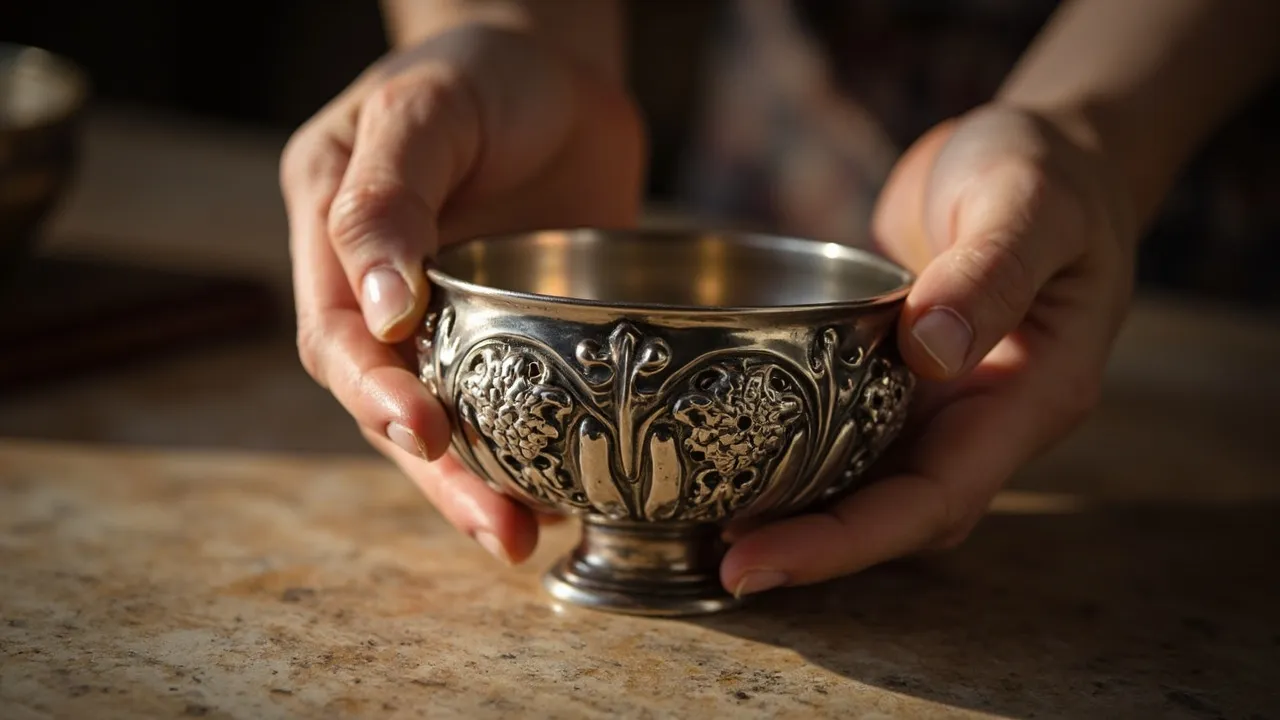
Tarnish is not dirt, and it is not a defect. It is a thin surface layer that forms when silver reacts with sulfur compounds in the air. That layer starts pale gold, then deepens toward brown and eventually near-black in the crevices of a piece.
Pure silver is too soft for daily jewelry, so it is alloyed — usually with copper — to reach 92.5% silver, which is what the 925 stamp means. The copper in that alloy is the more reactive partner, which is why sterling silver darkens faster than fine silver.
What tarnish is not: it is not corrosion that eats through the metal, and it is not permanent. Silver that has darkened can almost always be brought back. Understanding that distinction is the whole basis of a calm care routine.
The Real Causes: Sulfur, Humidity, and Everyday Chemistry
Most tarnish comes down to a handful of ordinary conditions.
- Sulfur compounds in air. Wool, rubber, some paper and cardboard, and certain foods all release trace sulfur. Storing silver in a jewellery box lined with ordinary paper is a quiet accelerant.
- Humidity and warmth. Damp bathroom air speeds the reaction. A closed, humid drawer is worse than an open, dry one.
- Skin chemistry. Some people tarnish silver quickly, others barely at all. Perspiration pH varies, and nothing is wrong with either wearer.
- Cosmetics and household chemicals. Perfume, hairspray, sunscreen, chlorinated water and cleaning sprays all leave residues or react directly with the surface.
- Friction and scratches. A scratched surface has more exposed area, so it dulls faster and holds tarnish unevenly.
A useful mental model: silver is happiest dry, clean and lightly worn. The pieces that tarnish worst are usually the ones left unworn in a humid place for months.
Why Rhodium Plating Changes the Picture
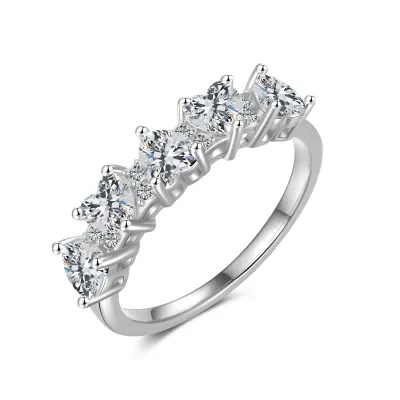
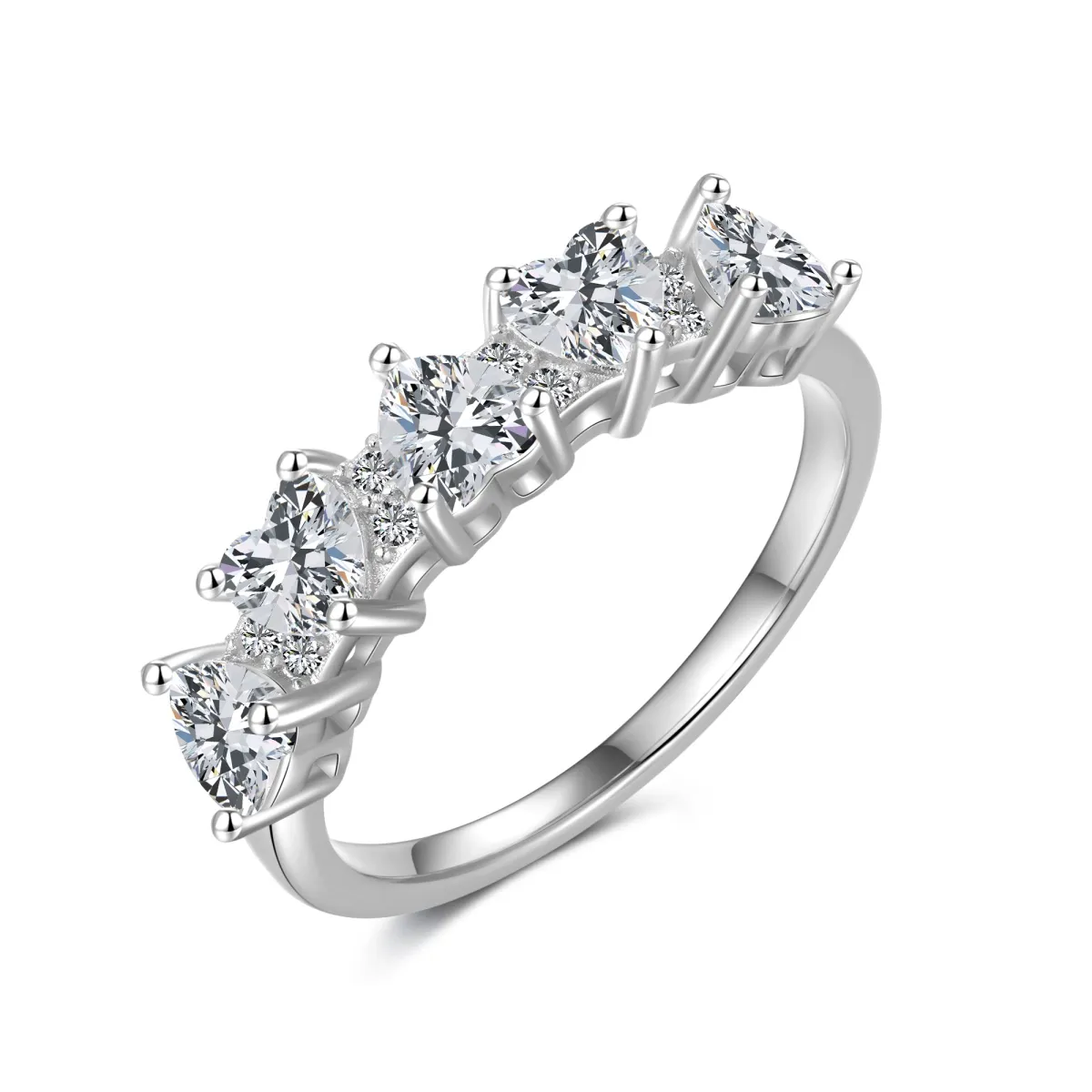
Rhodium is a white precious metal from the platinum family. A rhodium plated finish puts a very thin bright layer over the silver, so the surface that meets air and skin is no longer silver at all.
That has two practical effects. First, the piece stays bright far longer, because the outer layer resists sulfur. Second, the plating is a barrier, not a permanent coating — with enough friction and chemical exposure it wears thin at high-contact points.
This matters for honesty about what you are buying. Rhodium plating is a plating, not solid gold, and not solid white gold. It is a finish chosen for brightness and wear resistance, and it can be replated by a jeweller later if it ever dulls at the edges.
A Simple Care Routine: Wearing Habits
The easiest care routine is a wearing one, and it costs nothing.
Last on, first off. Apply perfume, lotion and hairspray before putting the ring on, and take it off before your evening skincare. This single habit removes most of the chemical exposure a ring ever sees.
Take it off for water. Showering, swimming, washing dishes, gardening. Hot water and soap lift residue into the setting, and chlorine is genuinely unkind to plated finishes over time.
Rotate. Wearing a piece regularly actually helps — light friction against skin keeps a surface from sitting in still, humid air. But give rings a rest day, especially in summer.
Handle the stone gently. Cubic zirconia is durable but not indestructible. Knocking a hand-set stone against a hard edge repeatedly is the usual cause of a loose setting.
Storage That Slows Tarnish Down
Storage is where most tarnish is either prevented or invited.
- Dry first. Never put a ring away damp or straight from a workout.
- Use the pouch, not a paper box. The soft pouch included with this ring is a better home than a cardboard box, which can carry sulfur.
- Keep pieces apart. Separate pouches or compartments stop rings from scratching each other.
- Avoid the bathroom. A steamy shelf is the worst common storage spot.
More How to keep sterling silver looking new (without over-polish to Explore
Readers who enjoyed this guide usually continue with How to keep sterling silver looking new (without over-polish products and related heritage pieces: